In this article, we will explore various methods to enhance humidity levels for your indoor plants, ensuring they thrive in a comfortable environment. High humidity is crucial for many plant species, as it helps to prevent issues like leaf browning and wilting. We will provide practical ideas and suggestions, ranging from simple household solutions to more advanced techniques, to help you create the perfect atmosphere for your greenery. Whether you are a seasoned plant enthusiast or a novice, these tips will assist you in nurturing your indoor garden effectively.
Understanding Plant Humidity Needs
Humidity plays a crucial role in the health and growth of indoor plants. Many tropical and subtropical plants thrive in environments with higher humidity levels, typically between 40% and 60%. Understanding these needs is essential to creating a conducive environment for your plants.
Plants absorb moisture through their leaves, and when humidity levels are too low, they can suffer from stress, leading to issues such as wilting, leaf drop, or pest infestations. Therefore, it is vital to identify the specific humidity requirements of your plants.
Simple Ways to Increase Humidity
Incorporating simple methods to enhance humidity can have a significant positive impact on your indoor garden. Here are a few effective strategies:
- Pebble trays: Place a shallow tray filled with water and pebbles under your plant pots. As the water evaporates, it will increase the humidity around the plants.
- Water features: Indoor fountains or aquariums can add moisture to the air, benefitting nearby plants.
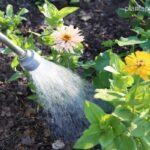
- Spray bottles: Regularly misting your plants with water can temporarily raise humidity levels, especially for plants that require high moisture.
- Plant terrariums: Creating a mini-ecosystem in a glass container can maintain higher humidity levels naturally.
Using Humidifiers Effectively
Humidifiers are a fantastic tool for controlling humidity levels in your home. Here are some tips on how to use them effectively:
- Choose the right type: There are various types of humidifiers, including cool-mist, warm-mist, and ultrasonic. Select one that suits your needs and the size of your space.
- Position wisely: Place the humidifier near your plants but not directly on them to avoid over-saturation.
- Monitor settings: Adjust the humidity levels according to the specific needs of your plants, aiming for the ideal range of 40% to 60%.
- Regular maintenance: Clean your humidifier regularly to prevent the growth of mould and bacteria, which can harm your plants.
Grouping Plants for Better Humidity
Another effective and natural way to boost humidity is by grouping your plants together. This method takes advantage of the moisture that plants release through transpiration. When plants are close to one another, the humidity created by one plant can benefit its neighbours.
Consider clustering plants with similar humidity requirements together. This not only helps to create a microclimate with higher humidity but also allows for easier care and maintenance.
Watering Techniques to Boost Humidity
Proper watering techniques can also enhance humidity levels around your plants. Here are a few methods to consider:
- Bottom watering: Instead of watering from the top, place your pots in a basin of water and allow them to absorb moisture from the bottom. This method can help keep the soil consistently moist and increase humidity.
- Frequent watering: For plants that require higher humidity, ensure that the soil remains moist but not soggy. Regularly check the moisture levels to avoid stress.
- Using room temperature water: Cold water can shock your plants. Using room temperature water for watering can also help maintain a stable environment.
Choosing the Right Soil Mix
The right soil mix can significantly affect moisture retention and overall plant health. Here are some tips for selecting a suitable mix:
- Moisture-retentive materials: Use soil mixes that contain ingredients like peat moss, coconut coir, or vermiculite, which can help retain moisture.
- Drainage considerations: Ensure your soil mix has good drainage properties to prevent waterlogging, which can lead to root rot.
- Custom blends: Consider creating your own soil mix tailored to the specific needs of your plants, combining moisture-retaining materials with well-draining components.
Monitoring Humidity Levels
To effectively manage humidity for your indoor plants, it’s essential to monitor the levels regularly. Here are some tools and methods to help you:
- Hygrometers: Invest in a digital hygrometer to measure humidity levels accurately. Place it near your plants for real-time readings.
- Weather apps: Some weather applications provide humidity forecasts, which can help you plan your watering and humidifying strategies.
- Observe plant behaviour: Pay attention to your plants. If you notice wilting leaves or brown tips, these may be signs of low humidity.
Common Mistakes to Avoid
While trying to boost humidity for your indoor plants, be mindful of these common mistakes:
- Overwatering: While humidity is essential, overwatering can lead to root rot. Always allow the soil to dry slightly between waterings.
- Ignoring plant types: Not all plants have the same humidity needs. Research your specific plants’ requirements before making changes.
- Neglecting air circulation: High humidity without proper air circulation can encourage mould growth. Ensure your plants have adequate airflow.
- Using cold water: Watering plants with cold water can shock them. Always use room temperature water to maintain a stable environment.
For more tips on nurturing your indoor plants, be sure to check out our product section on our website, where you can find resources and tools that can enhance your gardening experience. Happy planting!