
Understanding Hydroponics: A Beginner’s Guide
Hydroponics is an innovative method of growing plants without soil, utilizing nutrient-rich water instead. This technique allows for a controlled environment where plants can thrive, often resulting in faster growth and higher yields compared to traditional soil gardening. For beginners, understanding the basics of hydroponics is essential to getting started on the right foot. Key components of hydroponics include:
- Water Quality: Clean, pH-balanced water is crucial for plant health.
- Nutrients: Plants require specific nutrients that are dissolved in the water.
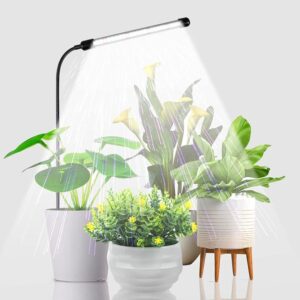
- Light: Adequate lighting is necessary for photosynthesis.
- Growing Medium: While soil is not used, inert growing mediums may be employed to support plant roots.
As you embark on your hydroponic journey, be sure to explore a list of products available to support your gardening needs.
-
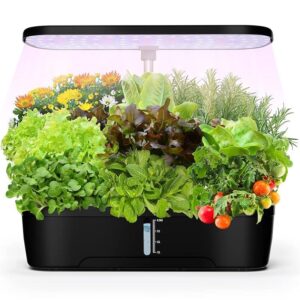
Transform Your Home with the Indoor Hydroponics System 12 Pods
-
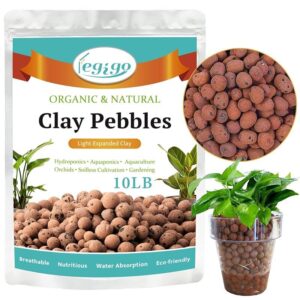
Legigo Organic Leca Pebbles: Expectations vs. Reality for Plants
-
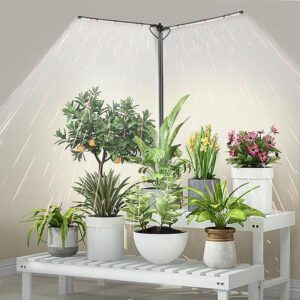
My Verdict on Plant Grow Lights for Indoor Plants: Are They Worth It?
-
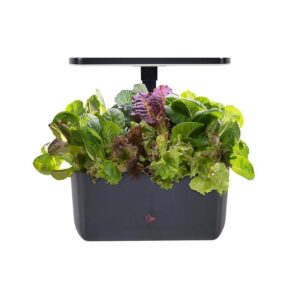
Thriving Plants in a Compact Space: My Take on AeroGarden Harvest 2.0
-
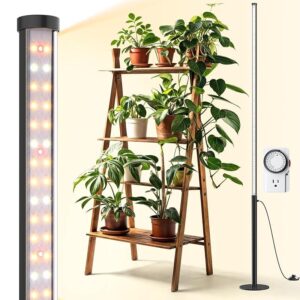
My Verdict on the Barrina Grow Light Tall 42W: Is It Worth It?
-
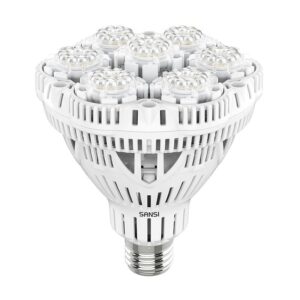
My Experience with SANSI Grow Light Bulb for Indoor Plants: Is It Effective?
-
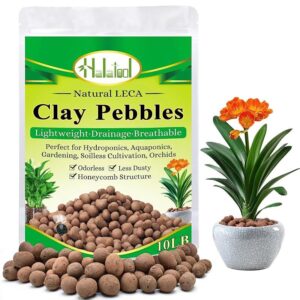
Transform My Gardening with Halatool 10LB Natural Leca Pebbles
-
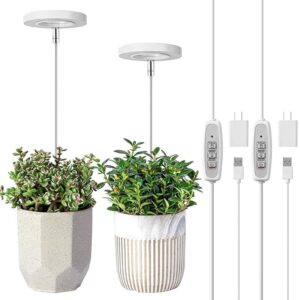
Transform Your Indoor Garden with LORDEM Grow Light’s Versatility!
-
Juhefa Grow Light: A Game Changer for Indoor Plant Care!
Benefits of Hydroponic Gardening for Home Growers
The benefits of hydroponic gardening are numerous, making it an attractive option for home growers. Some of the key advantages include:
- Space Efficiency: Hydroponics allows for vertical gardening, making it ideal for small spaces.
- Water Conservation: Hydroponic systems use 90% less water than traditional farming.
- Pest and Disease Control: Growing plants indoors reduces exposure to pests and diseases.
- Year-Round Production: Controlled environments enable year-round cultivation, regardless of weather conditions.
Essential Hydroponic Systems and Equipment Explained
Understanding the different types of hydroponic systems is essential for selecting the right setup for your needs. Here are some common systems:
- Deep Water Culture (DWC): Roots are suspended in nutrient-rich water, allowing for rapid growth.
- Nutrient Film Technique (NFT): A thin film of nutrient solution flows over the roots, providing essential nutrients.
- Wick System: A passive system that uses wicks to draw nutrient solution to the plants.
- Drip System: Nutrient solution is dripped directly onto the roots, ensuring efficient nutrient uptake.
Choosing the Right Nutrients for Hydroponic Plants
Selecting the right nutrients is crucial for ensuring healthy plant growth in a hydroponic system. Here are some tips:
- Complete Nutrient Solutions: Look for pre-mixed nutrient solutions designed specifically for hydroponics.
- Monitor pH Levels: Keeping the pH in the optimal range (5.5-6.5) ensures nutrient availability.
- Adjust Nutrient Ratios: Different plants have varying nutrient needs, so adjust ratios accordingly.
Common Hydroponic Plants and Their Growing Tips
Many plants thrive in hydroponic systems. Here are some popular choices along with tips for successful growth:
- Lettuce: Prefers cooler temperatures and grows quickly in hydroponics.
- Tomatoes: Require support as they grow; ensure adequate lighting for fruit production.
- Herbs: Basil, mint, and cilantro are great choices that do well in hydroponic setups.
- Strawberries: Enjoy a rich nutrient solution and benefit from good light exposure.
By understanding these essential aspects of hydroponics, you can create a thriving garden that produces fresh, healthy plants right at home.