
In this article, we will delve into the crucial factors to consider when selecting the ideal plant covers for safeguarding your garden. With a wide array of options available, including materials, sizes, and specific uses, choosing the right cover can greatly improve the health and longevity of your plants. We will offer practical ideas and suggestions to assist you in making an informed decision, ensuring that your flora stays protected from harsh weather conditions and pests.
Understanding Plant Cover Types
Plant covers are essential tools for gardeners aiming to protect their plants from various environmental threats. There are several types of plant covers available, each designed to serve specific purposes.
- Fleece Covers: Lightweight and breathable, fleece covers provide insulation while allowing light and moisture to penetrate. Ideal for protecting tender plants during cold snaps.
- Plastic Sheeting: Often used for creating a greenhouse effect, plastic sheeting traps heat but can lead to overheating if not monitored.
- Row Covers: Typically made from spun-bonded fabric, row covers can shield plants from pests while also providing some degree of frost protection.
- Garden Tunnels: These are larger structures that can cover multiple plants or rows, offering protection from both pests and harsh weather.
- Netting: Used primarily to deter birds and larger pests, netting allows air and light to reach the plants while keeping unwanted visitors at bay.
Understanding these different types will help you select the right cover for your specific gardening needs.
Material Options for Durability
When selecting a plant cover, the material plays a significant role in its durability and effectiveness. Here are some common materials used in plant covers:
- Polyethylene: This plastic material is known for its weather resistance and longevity, making it a popular choice for greenhouses and tunnels.
- Polypropylene: Lightweight and UV-resistant, polypropylene is often used for lightweight covers like fleece and row covers.
- Natural Fibres: Materials like jute or cotton can be eco-friendly options, although they may not last as long as synthetic materials.
- Metal Frames: For permanent structures like tunnels, using metal frames can provide additional stability and resistance to weather conditions.
Choosing the right material is crucial for ensuring your plant covers withstand the elements and provide the required protection.
Size and Fit Considerations
Size matters when it comes to plant covers. A cover that is too small won’t provide adequate protection, while one that is too large may cause issues such as overheating or wind damage. Here are some considerations:
- Measure Your Plants: Before purchasing covers, measure the height, width, and growth potential of your plants to ensure a snug fit.
- Consider Growth: Plants will continue to grow, so choose covers that offer some room for expansion.
- Adjustable Options: Look for covers with adjustable features, such as drawstrings or Velcro fasteners, to accommodate changes in plant size.
Getting the right size and fit will ensure your plants receive maximum protection without compromising their growth.
Seasonal Use and Benefits
Different plant covers can be used throughout the seasons, offering various benefits:
- Spring: Use covers to protect young seedlings from late frosts and pests.
- Summer: Shade covers can prevent overheating and sunburn on sensitive plants.
- Autumn: Covers can protect crops from early frost and extend the growing season.
- Winter: Insulating covers provide crucial warmth and protection against harsh winter conditions.
By understanding the seasonal benefits of different plant covers, you can maximise your garden’s potential year-round.
Cost-Effectiveness of Different Covers
When considering plant covers, cost-effectiveness is an important factor. While some covers may have a higher upfront cost, they can save money in the long run by protecting your plants and enhancing their growth. Here’s a breakdown:
- Initial Investment: Synthetic covers like polyethylene may be more expensive upfront but often last longer than natural materials.
- Replacement Costs: Consider how frequently you will need to replace your covers. Investing in durable options can reduce long-term costs.
- Crop Yield: Effective plant covers can lead to healthier, more productive plants, ultimately providing a better return on your investment.
Weighing the costs and benefits can help you make informed decisions when selecting plant covers.
Maintenance Tips for Longevity
To ensure your plant covers last as long as possible, follow these maintenance tips:
- Regular Inspections: Check for tears or holes regularly, especially after storms or high winds.
- Clean After Use: Remove debris and clean covers to prevent mould and mildew buildup.
- Store Properly: During off-seasons, store covers in a dry, cool place to prevent deterioration.
Proper maintenance will not only extend the life of your covers but also ensure they continue to protect your plants effectively.
Environmental Impact of Plant Covers
Using plant covers can have both positive and negative environmental impacts. Understanding these can inform your choices:
- Positive Effects: Covers can reduce the need for pesticides by protecting plants from pests, leading to less chemical runoff.
- Waste Considerations: Be mindful of the materials used; synthetic covers can contribute to plastic waste. Look for biodegradable options when possible.
- Energy Efficiency: In colder climates, covers can reduce heating needs in greenhouses, leading to lower energy consumption.
By considering the environmental implications of your choices, you can make more sustainable decisions for your gardening practices.
In conclusion, selecting the right plant covers involves understanding the types available, materials, size, and seasonal benefits while considering cost-effectiveness and maintenance. For more ideas and information on plant covers, feel free to browse our website’s product section, where you can find various options to suit your gardening needs.
 Simple signs your plant needs more sunlight
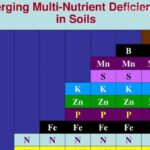 How to tell if your soil needs nutrients
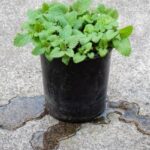 How to improve drainage in any plant pot