
In this article, we will explore effective strategies for keeping your greenhouse cool during the sweltering summer months. As temperatures rise, it’s essential to maintain a suitable environment for your plants to thrive. We will discuss various ideas and suggestions, including ventilation techniques, shading options, and the use of water features, to help you create a more temperate atmosphere in your greenhouse. Whether you’re a novice gardener or an experienced horticulturist, these tips will assist you in ensuring your plants receive the best possible care even in the heat of summer.
Effective Ventilation Techniques
Proper ventilation is crucial for maintaining a cool environment inside your greenhouse during the hot summer months. Without adequate airflow, temperatures can soar, negatively impacting plant health. Here are a few effective ventilation techniques:
- Natural Ventilation: Utilize roof vents and side vents to allow hot air to escape. Opening these vents during the hottest parts of the day can significantly lower internal temperatures.
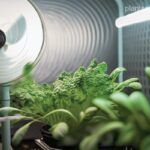
- Fans: Installing oscillating or exhaust fans can help circulate air and expel hot air, creating a more stable temperature. Consider using a combination of both to maximize efficiency.
- Shade Cloths: While primarily a shading strategy, using shade cloths can also aid in ventilation. By reducing direct sunlight, the temperature difference between the inside and outside of the greenhouse may allow for better airflow.
Shading Strategies for Greenhouses
Shading is a key strategy for keeping your greenhouse cool. Excessive sunlight can lead to overheating, drying out plants and soil. Here are some shading strategies you can implement:
- Shade Cloth: This is a versatile and effective way to block out harmful UV rays while still allowing filtered light to reach your plants. Shade cloth comes in various densities, so choose one that suits your specific plants’ needs.
- External Shading: Use external structures, such as awnings or pergolas, to block direct sunlight from hitting the greenhouse. This can help reduce heat absorption.
- Planting Trees: If space allows, consider planting deciduous trees around your greenhouse. These trees will provide shade in the summer while allowing sunlight to filter through in the winter.
Utilising Water for Cooling
Water is not just essential for plant growth; it can also serve as a natural coolant for your greenhouse. Here are some methods to use water effectively:
- Evaporative Cooling: This method involves misting the air inside your greenhouse. As water evaporates, it cools the surrounding air, creating a more comfortable environment for your plants.
- Water Features: Installing a small pond or water feature inside or near your greenhouse can help maintain cooler temperatures. The evaporation from the water will help lower the ambient temperature.
- Watering Schedule: Watering during cooler parts of the day, such as early morning or late afternoon, can help cool the soil and surrounding air, providing relief during peak heat hours.
Choosing the Right Greenhouse Materials
The materials used in constructing your greenhouse can greatly influence its temperature control capabilities. Consider these materials:
- Polycarbonate Panels: These panels provide excellent insulation and UV protection while allowing ample light to penetrate. They are more effective in maintaining stable temperatures compared to glass.
- Shade Screens: Installing interior shade screens can help block some sunlight without obstructing airflow, making them an ideal choice for hot climates.
- Reflective Coatings: Applying reflective coatings to your greenhouse can reduce heat absorption, keeping the interior cooler during summer.
Maintaining Optimal Humidity Levels
Humidity plays a significant role in temperature regulation. High humidity can lead to excessive heat and promote fungal diseases, while low humidity can stress plants. Here are some tips for maintaining optimal humidity levels in your greenhouse:
- Regular Watering: Ensure consistent watering to maintain moisture levels, but avoid overwatering, which can lead to increased humidity and disease.
- Dehumidifiers: Consider using a dehumidifier if humidity levels become excessively high. This device can help regulate humidity and maintain an optimal environment for your plants.
- Humidity Sensors: Investing in a humidity sensor can provide real-time data, allowing you to make informed decisions about watering and ventilation to maintain ideal humidity levels.
Monitoring Temperature Regularly
Regular temperature monitoring is essential for ensuring that your greenhouse remains a suitable environment for plant growth. Here are some methods to effectively monitor temperature:
- Thermometers: Place multiple thermometers throughout your greenhouse to get an accurate reading of temperature variations in different areas.
- Smart Sensors: Consider using smart sensors that connect to your smartphone or computer. These devices can provide real-time data and alerts when temperatures reach critical levels.
- Daily Checks: Make it a habit to check temperatures daily, especially during heatwaves. This practice will help you adjust ventilation and shading as needed.
Plant Selection for Hot Weather
Finally, choosing the right plants for your greenhouse can make a significant difference in how well they thrive in hot conditions. Here are some suggestions:
- Heat-Tolerant Varieties: Opt for heat-resistant varieties of popular plants, such as tomatoes, peppers, and cucumbers, which can better withstand high temperatures.
- Native Plants: Consider incorporating native plants that are naturally adapted to your climate. These plants typically require less water and are better suited for hot weather.
- Succulents and Cacti: These plants are excellent for hot climates as they are designed to store water and can thrive in high temperatures.
For more information on greenhouse care and plant selection, feel free to check out our product section on our website, where we offer a variety of resources to help you optimise your greenhouse experience.
 Tips for growing plants from cuttings
 How to improve airflow in indoor gardening
 Why your plant leaves have spots