
This article will offer you crucial guidelines on how to prepare your soil effectively for the planting season. We will delve into various techniques and tips to ensure your soil is healthy and conducive to plant growth. From testing soil quality to enriching it with organic matter, this guide will equip you with practical ideas and suggestions to create the ideal foundation for your garden or farm. Whether you are a seasoned gardener or a beginner, you will find valuable insights to enhance your planting experience.
Understanding Soil Types
Soil is the foundation of all terrestrial life, and understanding its various types is crucial for successful planting. Different soil categories can significantly influence plant growth, nutrient availability, and overall garden health.
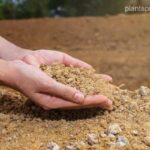
- Sandy Soil: This soil type has larger particles, allowing for excellent drainage but poor nutrient retention. It warms up quickly in spring, making it ideal for early planting.
- Clay Soil: Composed of tiny particles, clay holds moisture and nutrients well but can become compacted and waterlogged. It’s best to improve its structure with organic matter.
- Silty Soil: Silty soil is fertile and retains moisture, making it suitable for a wide range of plants. However, it can become compacted and require aeration.
- Loamy Soil: A balanced mix of sand, silt, and clay, loamy soil is often considered the best choice for gardening due to its fertility and good drainage.
Importance of Soil Texture
The texture of soil influences its ability to retain moisture, nutrients, and the ease with which roots can penetrate it. Understanding your soil texture will help you choose the right plants and the appropriate care strategies to enhance growth.
Testing Soil Quality
Before embarking on a planting journey, testing soil quality is essential. This process helps you understand the existing conditions and make informed decisions.
Assessing pH Levels
The pH level of soil indicates its acidity or alkalinity, which can affect nutrient availability. Most plants thrive in a pH range of 6.0 to 7.5. You can test soil pH using DIY kits available at garden centres or by sending samples to a laboratory for precise analysis.
Nutrient Analysis
In addition to pH levels, assessing the nutrient content, including nitrogen (N), phosphorus (P), and potassium (K), is crucial. A soil test can reveal nutrient deficiencies or excesses, allowing for tailored amendments.
Improving Soil Fertility
Once you understand your soil’s quality, you can take steps to improve its fertility, ensuring optimal plant growth.
Organic Matter Additions
Incorporating organic matter, such as compost or well-rotted manure, enhances soil structure, increases nutrient levels, and improves moisture retention. Regularly adding organic matter can create a thriving ecosystem for beneficial microorganisms.
Fertiliser Options
When organic amendments are insufficient, consider using fertilisers. There are two main categories: organic and synthetic. Organic fertilisers, such as bone meal or fish emulsion, release nutrients slowly and improve soil health, while synthetic options provide immediate nutrient availability but can lead to long-term soil degradation if used excessively.
Soil Aeration Techniques
Aeration is vital for maintaining healthy soil, as it allows air and water to penetrate the ground more effectively.
Tilling Methods
Tilling is a common method used to aerate soil. By turning over the top layer, you can break compacted soil and incorporate organic matter. However, excessive tilling can disrupt soil structure and harm beneficial organisms, so it’s essential to use this method judiciously.
Benefits of Aeration
Aeration has several benefits, including improved root development, increased microbial activity, and enhanced water infiltration. By ensuring the soil is adequately aerated, you create a more hospitable environment for plant roots.
Moisture Management
The management of moisture is crucial for plant health. Understanding how to retain and distribute water effectively can make a significant difference in your garden’s success.
Importance of Water Retention
Soil structure plays a significant role in water retention. Sandy soils drain quickly, while clay soils hold moisture. To improve water retention in sandy soils, consider adding organic matter, whereas aerating clay soils can help alleviate waterlogging.
Irrigation Practices
Implementing efficient irrigation practices is vital for maintaining moisture levels. Techniques such as drip irrigation or soaker hoses deliver water directly to the roots, reducing evaporation and ensuring consistent moisture. Additionally, mulching can help retain soil moisture by reducing surface evaporation.
Weed Control Strategies
Weeds can compete with your plants for nutrients and water, so implementing effective control strategies is necessary.
Preventative Measures
Preventative measures include mulching and crop rotation. Mulch acts as a barrier to suppress weed growth while enriching the soil as it decomposes. Crop rotation disrupts weed life cycles and can help reduce the overall weed population.
Mulching Benefits
Mulching not only prevents weeds but also retains soil moisture, regulates temperature, and adds organic matter to the soil as it breaks down. Choosing organic mulches, such as straw or wood chips, can further enhance soil health.
In conclusion, understanding soil types, testing soil quality, improving fertility, managing moisture, and controlling weeds are key elements in preparing your soil for the planting season. For more in-depth information and helpful ideas, feel free to browse our product section on our website, where we provide a range of resources to assist you in your gardening journey.
 How to tell if you’re overfertilizing plants
 Why your soil dries out too quickly
 How to tell if a plant is getting too much light