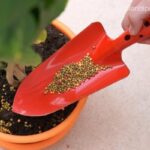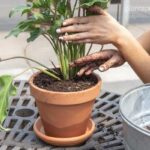
In this article, we will delve into some of the easiest herbs to grow indoors, perfect for both beginner and experienced gardeners. Whether you have a sunny windowsill or a compact countertop, these herbs can flourish in diverse indoor settings, offering fresh flavors for your culinary creations. We’ll also provide practical tips and suggestions to assist you in successfully nurturing your indoor herb garden, ensuring you can relish the advantages of home-grown herbs throughout the year.
Benefits of Growing Herbs Indoors
Growing herbs indoors can be incredibly rewarding, providing not only culinary delights but also several other benefits. Here are some key advantages:
- Convenience: Having fresh herbs at your fingertips saves trips to the grocery store and ensures you always have the ingredients you need for your cooking.
- Cost-Effective: Growing your own herbs can reduce your grocery bills. Fresh herbs can be pricey, and growing them at home is an economical alternative.
- Enhanced Flavour: Fresh herbs are known to have a more robust flavour compared to dried herbs, elevating the taste of your dishes.
- Health Benefits: Many herbs have medicinal properties and can boost your health. For example, basil has anti-inflammatory qualities, while mint aids digestion.
- Air Quality Improvement: Indoor plants can help purify the air, making your living space healthier.
Essential Indoor Herbs to Consider
When choosing which herbs to grow indoors, consider these popular options that thrive in an indoor environment:
- Basil: A staple in many cuisines, basil grows well in pots and enjoys bright light.
- Parsley: This versatile herb can be used in a variety of dishes and requires moderate light.
- Chives: With a mild onion flavour, chives are easy to grow and require minimal care.
- Cilantro: Also known as coriander, cilantro adds a distinctive flavour to many dishes and can be grown from seeds.
- Mint: Known for its refreshing aroma, mint is vigorous and can easily spread, so it’s best grown in a pot.
- Thyme: This hardy herb is perfect for indoor growing and adds a delightful flavour to meats and vegetables.
Optimal Conditions for Indoor Herb Growth
For herbs to thrive indoors, they require specific conditions. Here are some key factors to consider:
- Light: Most herbs need at least six hours of bright, indirect sunlight each day. If natural light is limited, consider using grow lights.
- Temperature: Ideal indoor temperatures for herbs range between 18°C to 24°C. Avoid placing them near drafts or heating vents.
- Soil: Use a well-draining potting mix that retains moisture but doesn’t become waterlogged. A mix designed for herbs or indoor plants works well.
- Watering: Herbs need regular watering, but be careful not to overwater. Check the soil moisture before watering; the top inch should be dry before adding more water.
- Humidity: Indoor air can be dry, especially in winter. If your home lacks humidity, consider misting the plants occasionally or using a humidity tray.
Common Mistakes to Avoid
Growing herbs indoors can be straightforward, but several common mistakes can hinder success. Be wary of the following:
- Overwatering: One of the most frequent errors is overwatering, which can lead to root rot. Always check the soil moisture before watering.
- Insufficient Light: Herbs that do not receive adequate light will become leggy and weak. Ensure they receive enough bright light, whether natural or artificial.
- Using the Wrong Soil: Avoid using garden soil as it can compact and drain poorly. Opt for a quality potting mix designed for indoor plants.
- Neglecting to Prune: Regularly trimming your herbs encourages bushier growth and prevents them from becoming too leggy.
- Ignoring Pests: Keep an eye out for pests such as aphids or spider mites. Early detection is key to preventing infestations.
Tips for Maintaining Your Indoor Herb Garden
Once you’ve established your indoor herb garden, follow these tips to keep it thriving:
- Rotate Your Pots: Rotate your pots periodically to ensure all sides receive equal light exposure, promoting even growth.
- Feed Sparingly: Use a balanced, water-soluble fertiliser every four to six weeks during the growing season to give your herbs an extra boost.
- Avoid Crowding: Give your herbs enough space to grow. Crowded plants can compete for light and nutrients, leading to poor growth.
- Monitor for Diseases: Regularly inspect your herb plants for any signs of disease or distress, and address issues promptly to maintain their health.
Harvesting and Using Your Herbs
Harvesting your herbs is one of the most enjoyable aspects of indoor gardening. Here’s how to do it effectively:
- Timing: Harvest herbs in the morning after the dew has dried for the best flavour.
- Method: Use clean scissors to snip leaves or stems, taking care not to remove more than one-third of the plant at a time.
- Storage: Fresh herbs can be stored in the refrigerator wrapped in a damp paper towel or placed in a glass of water like a bouquet.
- Usage: Incorporate your homegrown herbs into salads, soups, stews, and marinades for added flavour and nutrition.
Resources for Further Learning
If you’re eager to expand your knowledge about indoor herb gardening, consider exploring the following resources:
- Books: Look for titles focused on indoor gardening or specific herb cultivation.
- Online Courses: Platforms like Coursera and Udemy often offer courses on gardening and herb cultivation.
- Gardening Forums: Join online communities or local gardening clubs to share experiences and get advice.
- Videos: YouTube is a treasure trove of tutorials on indoor gardening techniques and herb care.
For more information on indoor gardening, check out our product section on our website, where you can find helpful tools and resources to enhance your herb-growing experience. Happy gardening!