
In this article, we will explore essential tips for beginners looking to choose the best seeds for their gardening adventures. Whether you’re starting a small herb garden on your windowsill or planning a larger vegetable patch, selecting the right seeds is crucial for success. We will cover various factors to consider, such as climate, soil type, and plant varieties, as well as provide suggestions for beginner-friendly seeds that are easy to grow. By the end, you’ll be well-equipped to make informed decisions and embark on your gardening journey with confidence.
Understanding Seed Types
When embarking on your gardening journey, understanding the different types of seeds is crucial. Seeds can generally be categorised into three main types: heirloom, hybrid, and GMO (genetically modified organism).
- Heirloom Seeds: These are traditional varieties that have been passed down through generations. They are open-pollinated, meaning they can breed true to type, allowing you to save seeds from your harvest for future planting.
- Hybrid Seeds: Created by cross-pollinating two different plant varieties, hybrids are bred for specific traits, such as disease resistance or increased yield. However, seeds collected from hybrid plants may not produce identical offspring.
- GMO Seeds: These seeds have been genetically modified to enhance certain characteristics, such as pest resistance or drought tolerance. While they can provide significant benefits, some gardeners prefer to avoid GMO seeds due to concerns over biodiversity and environmental impact.
Factors to Consider
Selecting the right seeds for your garden involves considering various factors. Here are some key considerations:
- Climate: Understand your local climate and choose seeds that thrive in your region. Consult a local gardening expert or extension service for guidance.
- Soil Type: Different plants prefer different soil types. Test your soil to determine its pH and nutrient levels, and select seeds that are suited to your soil conditions.
- Space: Consider the amount of space you have available. Some plants require more room to grow than others, so plan accordingly.
- Growth Time: Some seeds take longer to mature than others. If you have a short growing season, opt for fast-maturing varieties.
Popular Seed Varieties
If you’re new to gardening, certain seed varieties are particularly recommended for beginners due to their ease of growth and high success rates. Here are some popular options:
- Radishes: These fast-growing vegetables can be harvested in as little as three weeks.
- Sunflowers: Easy to grow and visually stunning, sunflowers can thrive in various conditions.
- Cherry Tomatoes: These small, sweet fruit-bearing plants are perfect for beginners and can be grown in pots.
- Beans: They are hardy and require minimal care, making them an excellent choice for novice gardeners.
- Herbs: Basil, parsley, and chives are straightforward to cultivate and can enhance your culinary experiences.
Where to Buy Seeds
Once you’ve made the decision on the types of seeds you desire, the next step is to locate trustworthy sources for purchasing them. Here are some of the top options:
- Local Garden Centres: These often provide a diverse range of seeds that are well-suited to your local climate and soil conditions.
- Online Seed Retailers: Websites like Thompson & Morgan or the Real Seed Catalogue offer a wide selection of seeds, frequently featuring heirloom and organic varieties.
- Seed Exchanges: Engaging in seed swaps is a fantastic way to discover unique varieties while sharing your own seeds with other gardening enthusiasts.
- Farmers’ Markets: Local farmers frequently sell seeds derived from their successful crops, making it a great opportunity to find regionally adapted varieties.
Seed Storage Tips
After acquiring your seeds, proper storage is crucial to maintain their viability. Here are some effective seed storage tips:
- Cool and Dark: Store seeds in a cool, dark place to prevent moisture and heat from diminishing their lifespan.
- Airtight Containers: Utilize airtight containers, such as glass jars or vacuum-sealed bags, to shield seeds from moisture and pests.
- Labeling: Clearly label your containers with the seed variety and date of purchase to monitor their age.
- Check Viability: Prior to planting, conduct a germination test to assess the viability of older seeds.
Starting Seeds Indoors
Starting seeds indoors can provide your plants with a head start on the growing season. Here are some tips for successful indoor seed starting:
- Choose the Right Containers: Opt for seed trays or recycled containers with drainage holes to prevent waterlogging.
- Use Seed-Starting Mix: A light, sterile seed-starting mix creates the ideal environment for seeds to germinate without the risk of pathogens.
- Light Requirements: Make sure your seedlings receive sufficient light, either from a sunny window or grow lights to encourage healthy growth.
- Watering: Maintain the soil at a consistently moist level but avoid sogginess. A spray bottle can be useful for gentle watering until the seeds germinate.
Transplanting Seedlings
Once your seedlings have grown strong, it’s time to transplant them into your garden or larger pots. Follow this guide for a smooth transition:
- Timing: Transplant seedlings after the last frost date in your area and when they have developed several true leaves.
- Hardening Off: Gradually acclimate seedlings to outdoor conditions by placing them outside for a few hours each day, gradually increasing their exposure.
- Prepare the Soil: Ensure your garden bed or pots are well-prepared with organic matter and the appropriate pH for your plants.
- Transplanting Technique: Gently remove seedlings from their containers, taking care not to damage the roots, and plant them at the appropriate depth.
- Watering Post-Transplant: Water the seedlings thoroughly after transplanting to help them settle into their new environment.
Gardening can be a rewarding and therapeutic hobby, especially when you start with the right seeds. For more information on various seed types and gardening tips, don’t forget to check out our product section on our website for helpful resources. Happy gardening!
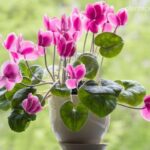 Tips for growing flowers indoors
 Tips for growing succulents successfully
 How to prevent pests in indoor plants