
In this article, we will explore effective strategies for maintaining soil moisture in your garden without the risk of overwatering. Properly hydrated soil is essential for plant health, yet finding the right balance can be challenging. We will provide practical ideas and suggestions to help you optimise your watering practices, ensuring your plants thrive while conserving water resources. Whether you are a seasoned gardener or a beginner, these tips will assist you in creating a lush and vibrant garden.
Understanding Soil Moisture
Soil moisture is critical for the health of your plants, as it affects their growth and overall vitality. It refers to the amount of water held in the soil, which can fluctuate based on rainfall, evaporation, and irrigation practices. Understanding soil moisture involves knowing its capacity, which is the maximum amount of water the soil can hold, and its field capacity, which is the amount of water remaining after excess water drains away.
To maintain optimal moisture levels, you need to consider soil type, texture, and structure. Sandy soils drain quickly and require more frequent watering, while clay soils retain moisture longer but can become compacted. It’s essential to regularly check your soil’s moisture content to ensure it meets your plants’ needs without leading to overwatering.
Choosing the Right Plants
Selecting plants that are suited to your local climate and soil conditions can significantly reduce the need for excessive watering. Native plants, for instance, are adapted to local weather patterns and typically require less water once established. Here are some factors to consider when choosing plants:
- Drought Resistance: Look for plants that can thrive in low-water conditions.
- Growth Habit: Consider whether you want ground covers, shrubs, or trees, as some have deeper root systems that access moisture more efficiently.
- Seasonal Needs: Some plants require less water during certain seasons; choose accordingly to ensure year-round resilience.
By selecting the right plants, you can create a sustainable garden that requires minimal watering and maintenance.
Mulching Techniques
Mulching is an effective way to conserve soil moisture, suppress weeds, and improve soil quality. Applying a layer of organic or inorganic material on the soil surface can help retain moisture by reducing evaporation. Here are some popular mulching techniques:
- Organic Mulch: Materials like straw, wood chips, and shredded leaves break down over time, enriching the soil.
- Inorganic Mulch: Gravel, pebbles, or landscape fabric can provide a longer-lasting solution, although they do not improve soil fertility.
- Depth and Coverage: Aim for a 2-4 inch layer of mulch, ensuring it does not touch plant stems to prevent rot.
Regularly replenish your mulch to maintain its effectiveness and keep your garden looking neat.
Watering Schedule
Establishing a watering schedule that aligns with your plants’ needs is vital for maintaining optimal soil moisture. Here are some guidelines to consider:
- Time of Day: Early morning is the best time to water, as it reduces evaporation and allows plants to absorb moisture before the heat of the day.
- Frequency: Instead of daily watering, consider watering deeply and less frequently. This encourages deep root growth and improves drought resistance.
- Weather Conditions: Adjust your schedule based on recent rainfall and temperature. During cooler months, plants may need less water.
Keeping a consistent watering routine can help achieve an ideal balance of moisture in your soil.
Soil Amendments
Improving soil quality through amendments is essential for retaining moisture. Adding organic matter can enhance the soil’s texture, structure, and nutrient-holding capacity. Here are some common soil amendments:
- Compost: Provides nutrients and improves soil structure, helping to retain moisture.
- Peat Moss: Increases water retention in sandy soils but should be used sparingly due to environmental concerns.
- Clay: For sandy soils, adding clay can improve moisture retention capabilities.
Regularly testing your soil can help you determine the specific amendments needed to optimise moisture retention.
Using Drip Irrigation
Drip irrigation is a highly efficient method for watering plants directly at the root zone, minimising water waste and evaporation. This system delivers water through a network of tubing and emitters, allowing for precise control over moisture levels. Here are some benefits of using drip irrigation:
- Water Efficiency: Drip irrigation uses less water compared to traditional methods, helping to conserve resources.
- Reduced Weeds: By targeting the root zone, drip irrigation minimizes water availability for weeds.
- Improved Plant Health: Consistent moisture levels promote healthier, more vigorous plant growth.
Setting up a drip irrigation system can seem daunting at first, but the long-term benefits for both your garden and water conservation are significant.
Monitoring Soil Conditions
Regular monitoring of soil conditions is vital to ensure your plants receive the right amount of moisture. Using tools like moisture meters can help you accurately gauge soil moisture levels. Here are some tips for effective monitoring:
- Visual Inspection: Check for signs of overwatering, such as wilting leaves or waterlogged soil, and adjust your watering practices accordingly.
- Soil Testing: Conduct periodic soil tests to assess moisture levels, pH, and nutrient content.
- Keep Records: Maintaining a log of your watering schedule and soil conditions can help identify patterns and improve your gardening practices.
By actively monitoring your soil conditions, you can ensure your plants thrive while avoiding the pitfalls of overwatering.
For more information and ideas on maintaining a healthy garden, be sure to check out our product section by browsing our website. Happy gardening!
 How to tell if your plant is dormant
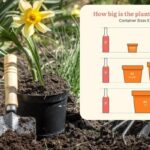 How to choose the right pot size for your plant
 How to remove aphids naturally