
In this article, we will examine the common reasons behind the browning tips of plant leaves, a frequent concern for many plant enthusiasts. Understanding these causes is crucial for maintaining healthy greenery in your home or garden. We will delve into factors such as watering practices, humidity levels, and nutritional deficiencies, as well as providing practical suggestions and ideas to help you nurture your plants back to health.
Common causes of brown tips
Brown tips on plant leaves can be a distressing sight for any plant lover. Understanding the common causes is the first step towards remedying the issue. The following factors can contribute to the appearance of brown tips:
- Overwatering: Excessive water can lead to root rot, which ultimately affects the entire plant.
- Underwatering: Insufficient moisture can result in dehydration, causing leaf edges to turn brown.
- Fluctuating temperatures: Sudden temperature changes or exposure to drafts can stress plants, leading to browning.
- Mineral deficiencies: Lack of essential nutrients, particularly potassium, can manifest as brown tips.
- Chemical burn: Over-fertilisation or using harsh chemicals can damage root systems and result in browning.
Impact of watering practices
Watering practices play a crucial role in plant health. Both overwatering and underwatering can lead to brown tips. To maintain an optimal moisture level:
- Check soil moisture: Use your finger to probe the soil. If the top inch is dry, it’s time to water.
- Consider drainage: Ensure that pots have appropriate drainage holes to prevent water stagnation.
- Watering schedule: Establish a routine based on plant type and environmental conditions, adjusting as necessary.
Role of humidity levels
Humidity is another critical factor that can influence the health of your plants. Many houseplants thrive in higher humidity levels, and dry air can lead to brown tips. Here are some strategies to enhance humidity:
- Group plants: By grouping plants together, you can create a microclimate with higher humidity.
- Use a humidifier: A humidifier can help maintain consistent moisture levels, especially during winter.
- Water trays: Placing pots on trays filled with pebbles and water can increase humidity around the plants.
Importance of proper lighting
Light exposure is vital for photosynthesis and overall plant vitality. However, improper lighting can lead to stress and browning. To ensure your plants receive the right amount of light:
- Identify light requirements: Research your specific plant’s light needs, whether it prefers direct, indirect, or low light.
- Rotate plants: Rotating plants regularly ensures even light exposure and prevents uneven growth.
- Use grow lights: In low-light conditions, consider using artificial grow lights to supplement natural light.
Soil quality and nutrients
The quality of soil and the nutrients it contains are fundamental to a plant’s health. Poor soil can lead to nutrient deficiencies and browning tips. To maintain healthy soil:
- Regularly amend soil: Use organic matter like compost to enrich the soil and improve structure.
- Test soil pH: Ensure the soil pH is suitable for your plants, as certain plants have specific pH requirements.
- Fertilise appropriately: Use a balanced fertiliser according to the needs of your plants, avoiding over-fertilisation.
Signs of pest infestations
Pests can also be a hidden cause of brown tips. Early detection is crucial for effective treatment. Look for the following signs of infestation:
- Visible pests: Check for insects such as aphids, spider mites, and mealybugs on the leaves.
- Discolouration: Look for yellowing or browning that spreads beyond the tips of the leaves.
- Webbing or sticky residue: The presence of webs or sticky substances can indicate a pest issue.
Prevention and care tips
Preventing brown tips is often more manageable than treating them. Here are some care tips to keep your plants healthy:
- Regular inspections: Check your plants frequently for signs of distress or pests.
- Maintain a consistent environment: Avoid placing plants in drafty areas or near heating vents.
- Educate yourself: Learn about the specific needs of your plants to provide the best care possible.
When to seek professional help
If you’ve attempted to resolve the issue of brown tips without success, it might be the right moment to consult a professional. Consider reaching out for help in the following circumstances:
- Severe infestations: If pests are overwhelming your plants, professional pest control may be necessary.
- Persistent browning: If brown tips continue despite changes in care, a professional can assess underlying issues.
- Unidentified diseases: If you suspect a disease but can’t identify it, expert diagnosis can save your plant.
In conclusion, brown tips on plant leaves can be caused by various factors, including watering practices, humidity levels, lighting, soil quality, and pest infestations. By understanding these causes and implementing preventive measures, you can help your plants thrive. For more information and tips on plant care, check out our product section on the website.
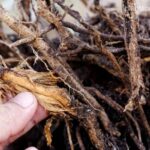 How to spot early signs of root rot
 Why some plants prefer distilled water
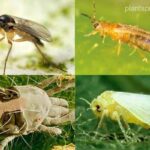 How to keep pests away in a greenhouse