In this article, we will delve into the multiple reasons why your cherished plants might be wilting even with consistent watering. Although it might appear paradoxical, various factors can lead to this frustrating situation. From concerns related to soil quality and drainage to environmental conditions, we aim to offer insights and suggestions to help you pinpoint the root cause of your plant’s distress. Whether you are an experienced gardener or a new plant parent, you will discover valuable tips to rejuvenate your greenery and bring it back to its thriving state.
Common Causes of Wilting
Wilting is a common issue faced by plant owners. It often serves as a distress signal from your plants, indicating that something is amiss. Understanding the common causes of wilting can help you diagnose and remedy the situation effectively. Here are some prevalent factors contributing to wilting:
- Watering Issues: Both overwatering and underwatering can lead to wilting.
- Pest Infestation: Pests can damage plant tissues and disrupt water uptake.
- Soil Quality: Poor soil conditions can impede root health and water absorption.
- Environmental Stress: Changes in temperature, humidity, or light exposure can affect plant vitality.
Overwatering vs. Underwatering
Understanding the balance between overwatering and underwatering is crucial for maintaining healthy plants. Both conditions can lead to wilting, but they manifest differently.
Overwatering
When a plant receives too much water, its roots can become waterlogged, leading to a lack of oxygen. This suffocation can cause roots to rot, preventing them from absorbing nutrients and water, ultimately causing wilting.
Underwatering
Conversely, underwatering deprives the plant of the necessary moisture it needs to thrive. Symptoms include drooping leaves and dry soil. A plant that has been underwatered may appear shrivelled, as it struggles to maintain turgor pressure.
Soil Quality and Drainage
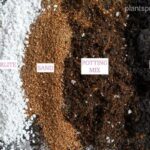
The quality of soil and its drainage capabilities play a significant role in plant health. Soil that is too compacted or lacks organic matter can hinder root development and water absorption, leading to wilting. Here are some tips for ensuring your soil is optimal for plant growth:
- Use Quality Potting Mix: Ensure that your plants are potted in high-quality potting mix that retains moisture without becoming soggy.
- Check Drainage: Make sure pots have adequate drainage holes to allow excess water to escape.
- Improve Soil Structure: Incorporate organic matter, such as compost, to enhance soil aeration and nutrient content.
Pests and Diseases
Pests and diseases can greatly affect a plant’s well-being, often resulting in wilting. Common pests such as aphids, spider mites, and whiteflies feed on the sap of plants, while conditions like root rot can cause severe damage. To effectively manage pests and diseases:
- Regular Inspection: Frequently examine your plants for any signs of pests or disease.
- Isolate Affected Plants: Quarantine any plants exhibiting signs of infestation to avoid spreading the problem.
- Use Natural Remedies: Explore options like neem oil or insecticidal soap as organic methods for pest control.
Environmental Factors
Environmental conditions can impact plant health drastically. Factors such as temperature, humidity, and light exposure are crucial for plant vitality. Here’s how to assess these conditions:
- Temperature: Most houseplants thrive in temperatures between 15°C to 25°C. Extreme fluctuations can lead to stress.
- Humidity: Many plants require higher humidity levels; consider using a humidifier or placing water trays nearby to boost moisture.
- Light Exposure: Ensure your plants receive adequate light. Too little light can cause them to stretch and weaken, leading to wilting.
Signs of Stress in Plants
Recognising the signs of stress in plants is crucial for timely intervention. Here are some common indicators:
- Yellowing Leaves: A sign of overwatering or nutrient deficiencies.
- Drooping or Wilting Leaves: Indicates either too much or too little water.
- Brown Leaf Edges: Often a result of underwatering or low humidity.
- Stunted Growth: Can be caused by poor soil quality, pests, or insufficient light.
How to Revive Your Wilting Plant
If you notice your plant wilting, there are several steps you can take to help revive it:
- Assess Watering: Check the soil moisture level. If it’s too dry, water it thoroughly. If it’s too wet, allow it to dry out before watering again.
- Inspect for Pests: Examine the plant closely and remove any visible pests. Use appropriate treatments if necessary.
- Improve Soil Conditions: If the soil is compacted, consider repotting the plant with fresh, well-draining soil.
- Adjust Lighting Conditions: Move your plant to a location where it receives adequate light without direct harsh sunlight.
Preventive Measures for Healthy Plants
Preventing wilting in the first place is always easier than reviving a struggling plant. Here are some strategies to maintain plant health:
- Watering Schedule: Establish a consistent watering routine based on the needs of your specific plants.
- Fertilise Regularly: Use a balanced fertiliser to provide essential nutrients.
- Rotate Plants: Rotate your plants periodically to ensure even light exposure.
- Monitor Conditions: Keep an eye on temperature and humidity levels, adjusting as needed to create a stable environment.
For more information and ideas on plant care, feel free to browse our website. We have a dedicated product section that offers a range of tools and resources to help you maintain healthy plants.