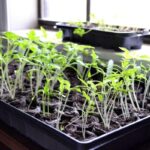
In this article, we will delve into the best practices for initiating a balcony garden, providing practical ideas and suggestions to assist you in crafting a thriving green space within your home. Regardless of whether you possess a small balcony or a spacious terrace, we will discuss crucial tips on selecting the right plants, effectively utilizing available space, and ensuring proper maintenance of your garden throughout the seasons. Prepare to transform your outdoor area into a vibrant oasis bursting with life and color!
Planning Your Space
Creating a balcony garden can be a fulfilling and rewarding endeavour. However, before you start planting, it is essential to plan your space efficiently to ensure your plants thrive.
Assessing Sunlight and Wind
Understanding the environmental conditions of your balcony is crucial. Observe how much sunlight your balcony receives throughout the day. Most plants require at least six hours of sunlight, so determining the sun’s path can help you choose the right plants. Additionally, consider the wind exposure. If your balcony is windy, you may need to provide windbreaks to protect your plants.
Choosing the Right Containers
Containers are vital for any balcony garden as they can influence plant health. Select containers that are well-draining and made from materials that suit your climate. Terracotta pots are popular for their breathability, while plastic pots are lighter and retain moisture better. Make sure your containers are large enough to accommodate the roots of your plants and consider using colour to brighten up your space.
Selecting Plants
The choice of plants can strongly influence the success of your balcony garden. Selecting the right species based on your space and conditions is crucial for achieving vibrant growth.
Best Plants for Balconies
When choosing plants, consider options that thrive in containers and possess a compact growth habit. Some excellent choices include:
- Herbs: Basil, mint, and parsley are perfect for small spaces and can be used in your cooking.
- Vegetables: Cherry tomatoes, radishes, and peppers grow well in pots.
- Flowers: Petunias, marigolds, and geraniums can add vibrant colors and attract pollinators.
- Foliage Plants: Ferns and succulents can thrive in lower light conditions.
Seasonal Planting Options
Consider planting according to the seasons for optimal growth. In spring, sow fast-growing options like salad greens and herbs, while summer is perfect for fruiting plants like tomatoes and peppers. In autumn, consider planting perennials that will bloom in subsequent years, and in winter, focus on hardy plants that can withstand colder temperatures.
Soil and Fertilisation
The foundation of your balcony garden relies heavily on the soil you use and how you fertilise your plants.
Importance of Quality Soil
Using high-quality potting mix is essential for container gardening. It should provide excellent drainage while retaining enough moisture and nutrients. Look for mixes that include peat moss or coconut coir, which can help retain water and provide essential nutrients for plant growth.
Organic Fertiliser Options
To promote healthy growth, consider organic fertilisers such as compost, worm castings, or well-rotted manure. These options improve soil fertility and structure while supporting beneficial soil organisms. Liquid fertilisers can also be used throughout the growing season to give your plants a nutrient boost.
Watering Techniques
Proper watering is crucial for the success of your balcony garden.
Efficient Watering Methods
Watering can be done manually with a watering can or hose, but consider drip irrigation systems for a more efficient approach. These systems deliver water directly to the plant roots, reducing waste and ensuring consistent moisture levels.
Understanding Plant Water Needs
Different plants have varying water requirements. Herbs and succulents typically need less water than leafy greens and fruiting vegetables. Monitor your plants regularly and adjust your watering schedule based on the weather and season. A good rule of thumb is to water when the top inch of soil feels dry.
Pest Management
Keeping your plants healthy involves managing pests that could threaten their growth.
Natural Pest Control Options
Consider using natural remedies to control pests, such as neem oil, insecticidal soap, or companion planting. Strong-smelling herbs like basil can deter pests when planted alongside vulnerable crops. Additionally, introducing beneficial insects like ladybugs can help control aphid populations.
Identifying Common Pests
Familiarize yourself with common balcony garden pests such as aphids, slugs, and spider mites. Regularly inspect your plants for any signs of infestation, such as discoloration, wilting, or visible insects. Early identification is key to successfully managing pest problems.
Maintenance Tips
Keeping your balcony garden thriving requires consistent maintenance.
Regular Pruning and Deadheading
Pruning helps promote healthy growth by removing dead or diseased leaves and encouraging new growth. Deadheading, or removing spent flowers, can also encourage further blooming in flowering plants. Set aside time weekly to inspect your plants and perform these tasks.
Seasonal Care Routines
Adjust your care routine with the seasons. In the spring, focus on planting and fertilising, while summer will require more frequent watering. Autumn should be dedicated to preparing your garden for winter, including protecting delicate plants and cleaning up debris. In winter, consider indoor gardening options or use protective coverings for hardy outdoor plants.
By following these best practices, you can create a thriving balcony garden that not only enhances your living space but also provides fresh produce and beauty to your home. For more gardening ideas and inspiration, don’t forget to check out our product section by browsing our website. Happy gardening!