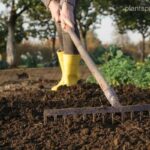
Starting seeds indoors can be a highly rewarding and cost-effective method to guarantee a flourishing garden. In this article, we will delve into crucial tips and techniques for effectively germinating seeds indoors, covering the best practices for soil selection, lighting, and watering. Furthermore, we will provide creative ideas and suggestions to enhance your indoor gardening efforts and prepare your plants for a successful transition to the outdoors.
Preparing Your Seed Starting Supplies
Starting seeds indoors can be a rewarding experience, allowing you to get a jump on the growing season and cultivate your favourite plants from the very beginning. Before you dive into the world of seed starting, it’s essential to gather the right tools and materials to ensure your success.
Gather essential tools and materials
Here’s a list of items you’ll need to prepare:
- Seed trays or pots: Choose trays with drainage holes or pots that provide adequate space for roots.
- Seed starting mix: A lightweight, sterile mix that promotes seed germination.
- Labels: To keep track of different seed varieties.
- Watering can or spray bottle: For gentle watering to avoid disturbing the seeds.
- Light source: Natural sunlight or grow lights to provide adequate light for seedlings.
With these supplies in hand, you’re well on your way to starting your seeds indoors.
Selecting the Right Seeds
Choosing the right seed varieties is crucial for the success of your indoor garden. Each plant has different requirements and growth patterns.
Choose appropriate seed varieties
When selecting seeds, consider the following:
- Climate suitability: Ensure the seeds are suitable for your local climate.
- Growth habits: Some plants grow tall, while others are compact. Consider the space you have available.
- Days to maturity: Select seeds that will mature within your growing season, especially if you’re starting late.
- Personal preference: Choose varieties that you and your family enjoy eating or that suit your gardening goals.
Researching heirloom versus hybrid seeds can also impact your choice. Heirloom seeds often offer unique flavours and characteristics, while hybrids may provide better disease resistance and uniform growth.
Optimal Soil and Containers
The right soil and containers are vital for healthy seedling growth.
Use quality potting mix and suitable pots
Opt for a seed starting mix, which is finer and more aerated than regular potting soil. Here are some tips for selecting the right containers:
- Size: Smaller pots or seed trays are preferable for starting seeds, as they promote better moisture retention.
- Material: Plastic, peat, or biodegradable pots are all suitable options.
- Drainage: Ensure that whatever container you choose has adequate drainage to prevent waterlogging.
You can even recycle household items as containers, such as egg cartons or yoghurt pots, provided they have drainage holes.
Creating Ideal Growing Conditions
Seedlings thrive in specific environmental conditions, so it’s essential to create an optimal growing environment.
Ensure proper light and temperature
Here are some key factors to consider:
- Light: Most seeds require 12-16 hours of light daily. If you’re relying on natural light, place your seedlings near a south-facing window or invest in grow lights.
- Temperature: Most seeds germinate best at temperatures between 20-25°C (68-77°F). Use a heat mat if necessary to maintain warmth.
- Humidity: Covering trays with plastic wrap can help maintain humidity until seeds germinate. Remove the cover once seedlings appear.
Monitoring these conditions closely can significantly impact your seedling’s growth rate and overall health.
Watering and Fertilising Techniques
Maintaining moisture and nutrient levels is crucial for healthy seedlings.
Maintain moisture and nutrients
Here’s how to ensure your seedlings get the right amount of water and fertiliser:
- Watering: Keep the soil consistently moist but not soggy. Use a spray bottle or bottom watering method to avoid disturbing the seeds.
- Fertilising: Use a diluted liquid fertiliser (half-strength) once seedlings develop their first set of true leaves, usually around 2-3 weeks after germination.
- Observation: Watch for signs of overwatering (yellowing leaves) or underwatering (wilting) to adjust your care routine accordingly.
Fertilising appropriately ensures that your seedlings receive the necessary nutrients to grow strong and healthy.
Transplanting Seedlings Outdoors
Once your seedlings have matured, it’s time to prepare them for outdoor life.
Timing and methods for successful transfer
Transplanting can be a delicate process, so consider these factors:
- Timing: Wait until all danger of frost has passed and the seedlings are strong enough to handle outdoor conditions.
- Hardening off: Gradually acclimatise your seedlings to outdoor conditions by placing them outside for a few hours each day, increasing the time over a week.
- Technique: When transplanting, handle the seedlings by their leaves (not the stem) and gently loosen the roots if they are tightly bound.
Proper transplanting techniques will help your seedlings adapt to their new environment and promote robust growth.
By following these steps, starting seeds indoors can be a fulfilling and successful endeavour. For more information and ideas on gardening supplies, feel free to browse our product section on our website. Happy gardening!