In this article, we will delve into the frequent mistakes encountered while cultivating indoor vegetables and offer practical tips to assist you in creating a flourishing indoor garden. Whether you’re an experienced gardener or a beginner eager to experiment with growing your own food, recognizing these challenges will lead to improved outcomes. We will cover crucial aspects such as lighting, watering, and soil selection, providing you with the insights necessary to steer clear of these common errors and elevate your indoor gardening journey.
Choosing the Wrong Varieties
One of the most critical mistakes novice indoor gardeners make is selecting the wrong varieties of vegetables. Not all plants thrive indoors, and choosing varieties that are not suited for indoor growth can lead to disappointing results. When selecting plants, consider factors such as size, growth habits, and light requirements.
- Compact Varieties: Look for dwarf or compact varieties that are bred specifically for indoor conditions.
- Fast-Growing Options: Opt for fast-growing vegetables like lettuce, radishes, and herbs, which are more likely to succeed in limited spaces.
- Light Requirements: Ensure the plants chosen can thrive in the lighting conditions you can provide, whether that’s natural sunlight or grow lights.
Inadequate Lighting Conditions
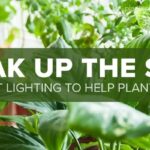
Lighting is a fundamental element of successful indoor gardening. Inadequate lighting can hinder growth and lead to leggy, weak plants. Understanding the lighting needs of your chosen varieties is essential.
- Assess Natural Light: If using natural sunlight, evaluate how much light your space receives and at what times of the day.
- Supplement with Grow Lights: If natural light is insufficient, consider investing in full-spectrum LED grow lights that mimic sunlight.
- Light Duration: Most vegetables require at least 12-16 hours of light per day for optimal growth, so ensure you’re meeting this requirement.
Neglecting Soil Quality
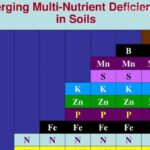
The quality of the soil you use can significantly affect the health of your indoor vegetables. Using poor-quality soil can lead to nutrient deficiencies and poor drainage, ultimately stunting growth.
- Choose the Right Mix: Use a high-quality potting mix designed for indoor gardening, as it provides necessary aeration and drainage.
- pH Levels: Regularly check the pH levels of your soil, as most vegetables thrive in a slightly acidic to neutral range (6.0-7.0).
- Replenishing Nutrients: Over time, soil can lose its nutrients, so consider replenishing it with organic compost or fertilizers as needed.
Over or Underwatering
Watering is often where many indoor gardeners go wrong. Both overwatering and underwatering can lead to plant stress, root rot, or wilting. Understanding the specific needs of your plants is crucial.
- Check Soil Moisture: Always test the soil moisture before watering. A simple finger test can help determine if the top inch of soil is dry.
- Use Drainage Pots: Ensure pots have adequate drainage holes to prevent water from pooling at the bottom, which can cause root rot.
- Adjust for Season: Plants may require less water in winter when they enter a dormant phase, so adjust your watering schedule accordingly.
Pest and Disease Management
Indoor gardens are not immune to pests and diseases, which can thrive in the warm, humid conditions often found indoors. Proactive pest and disease management is essential for a healthy garden.
- Regular Inspections: Frequently check your plants for signs of pests, such as discoloration, webbing, or visible insects.
- Natural Remedies: Use organic pest control methods, such as neem oil or insecticidal soaps, to manage any infestations.
- Preventive Measures: Keep your indoor garden clean and free from dead leaves and debris that can harbor pests and diseases.
Improper Temperature Control
Temperature plays a vital role in the growth of indoor vegetables. Most vegetables thrive in temperatures between 18°C and 24°C. Fluctuations outside of this range can stress plants and inhibit growth.
- Monitor Temperature: Invest in a reliable thermometer to keep track of the temperature in your growing space.
- Avoid Drafts: Be mindful of placing plants near drafty windows or heating vents, as sudden temperature changes can be detrimental.
- Use Heaters/Cooling Systems: Depending on your environment, you may need to use heaters or fans to maintain a stable temperature.
Insufficient Air Circulation
Proper air circulation is frequently neglected, yet it is crucial for the vitality of indoor plants. Inadequate air movement can result in stagnant air, which raises humidity levels and makes plants more vulnerable to diseases.
- Use Fans: Think about utilizing small fans to enhance air movement, particularly in enclosed areas.
- Plant Spacing: Make sure there is sufficient spacing between plants to facilitate airflow and avoid overcrowding.
- Open Windows: When possible, open windows to enable fresh air to flow and lower humidity levels.
Ignoring Nutrient Needs
Finally, many indoor gardeners fail to recognise the importance of nutrients. Indoor plants often require additional fertilisation to thrive, as potting soil can quickly deplete its nutrient content.
- Choose the Right Fertiliser: Select a balanced fertiliser that provides essential nutrients, such as nitrogen, phosphorus, and potassium.
- Follow Application Guidelines: Be mindful of dosage and frequency; over-fertilising can damage plants more than under-fertilising.
- Organic Options: Consider using organic fertilisers, which can improve soil quality over time and provide a slow release of nutrients.
By addressing these common pitfalls, you can create a thriving indoor vegetable garden. For more tips and ideas, don’t forget to check out our product section on our website, where we provide resources to enhance your gardening journey!