
In this article, we will delve into the essentials of creating a simple indoor grow setup, ideal for both beginners and those aiming to broaden their gardening skills. We will discuss various key components, including lighting, ventilation, and plant selection, as well as provide practical tips and suggestions to help you cultivate a thriving indoor garden. Whether you’re interested in growing herbs, vegetables, or decorative plants, this guide will equip you with the knowledge needed to get started effectively.
Choosing the Right Space
Establishing an indoor grow setup starts with picking the ideal space. Your selected area must provide ample room for your plants, equipment, and maintenance tasks. Here are several key factors to keep in mind:
- Size: Confirm that the space is sufficiently large for your plants to expand without becoming overcrowded.
- Temperature: Opt for a location with consistent temperatures, ideally between 20-25°C (68-77°F).
- Ventilation: Proper airflow is crucial to avoid mould and promote healthy growth.
- Accessibility: The area should be easily reachable for watering, maintenance, and harvesting activities.
Typical locations for indoor growing include spare rooms, basements, or even closets. Ensure that the area can be darkened, as many plants need a dark period to thrive.
Essential Equipment Needed
Once you’ve selected your space, it’s time to gather the necessary equipment for your indoor grow setup. Here’s a checklist of essential items:
- Grow Tent: A grow tent helps to control the environment and is a great way to optimize space.
- Grow Lights: Depending on your plant type, you’ll need appropriate lighting, such as LED or HPS lights.
- Fans: To promote air circulation and maintain temperature.
- Containers: Choose pots or trays with good drainage to prevent waterlogging.
- Soil and Growing Medium: Select high-quality soil or hydroponic systems suited to your plants.
Additionally, consider investing in a pH meter, nutrient solutions, and a thermometer/hygrometer to monitor conditions effectively.
Selecting Suitable Plants
Choosing the right plants is crucial for a successful indoor grow. Consider the following factors when selecting your plants:
- Light Requirements: Some plants need more light than others, so ensure your selected plants match your lighting setup.
- Growth Time: Fast-growing plants like lettuce or herbs are ideal for beginners.
- Space Requirements: Consider how large the plants will grow to avoid overcrowding.
Popular indoor plants include herbs like basil and mint, leafy greens, and small fruiting plants such as strawberries or cherry tomatoes. Research your chosen plants to ensure they are suitable for your indoor environment.
Lighting Options Explained
Lighting is one of the most critical elements in indoor gardening. Here’s a breakdown of common lighting options:
- LED Lights: Energy-efficient and produce less heat, making them suitable for small spaces. They are great for all growth stages.
- Fluorescent Lights: Ideal for seedlings and young plants, they are cost-effective and emit less heat.
- HID Lights: High-Intensity Discharge lights are powerful and effective for larger setups but generate more heat and require additional cooling solutions.
When selecting grow lights, consider the energy efficiency, heat output, and the specific light spectrum needed for your plants.
Watering and Nutrient Guidelines
Watering and feeding your plants correctly is vital for their health. Here are some guidelines to follow:
- Watering Frequency: Check the moisture level of the soil before watering. Over-watering is a common mistake.
- Type of Water: Use room temperature water, preferably without chlorine. Rainwater or distilled water is ideal.
- Nutrients: Invest in quality nutrient solutions tailored to your plants. Follow the manufacturer’s instructions for application rates.
Regularly monitor your plants for signs of nutrient deficiencies or excesses, such as yellowing leaves or stunted growth.
Maintaining Ideal Conditions
Creating and maintaining the right environment is crucial for your indoor garden’s success. Here are some tips:
- Temperature: Keep the temperature consistent within the recommended range for your plants.
- Humidity: Monitor humidity levels; most plants thrive at around 40-60% humidity. Use a humidifier if necessary.
- Air Circulation: Ensure good airflow to prevent mould and promote vigorous growth.
Regularly check the conditions in your grow area and make adjustments as needed to keep your plants healthy.
Common Mistakes to Avoid
Even experienced indoor gardeners can encounter challenges. Here are some frequent pitfalls to steer clear of:
- Over-Watering: Always check soil moisture before watering to prevent root rot.
- Ignoring Light Needs: Ensure your plants receive adequate light according to their specific requirements.
- Neglecting Airflow: Good ventilation is essential; stagnant air can lead to problems like mould.
By being conscious of these common mistakes, you can set your indoor garden up for success right from the beginning.
Harvesting Your Plants
After all your hard work, harvesting is one of the most rewarding parts of indoor gardening. Here are some tips for a successful harvest:
- Timing: Harvest at the right time for maximum flavour and nutrition, typically when plants are fully mature.
- Tools: Use sharp, clean tools like scissors or pruning shears to avoid damaging the plants.
- Storage: Store your harvested produce properly to maintain freshness, whether that’s in the fridge or using different preservation methods.
Enjoy the fruits of your labour and consider experimenting with different plants in future grow cycles!
For more ideas and resources, don’t forget to check out our product section on our website, where you can find everything you need to enhance your indoor gardening experience.
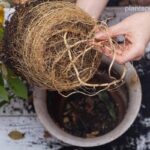 How to tell if a plant is root-bound
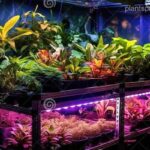 How to grow plants successfully under grow lights