
This article will delve into the nuances of effectively cultivating plants under grow lights, offering readers crucial tips and techniques to enhance their indoor gardening pursuits. Whether you are a beginner or a seasoned gardener, you will discover valuable insights on how to select the right lights, comprehend light cycles, and choose appropriate plants for indoor growth. Furthermore, we will provide practical ideas and recommendations to assist you in establishing an ideal growing environment, ensuring your plants not only survive but also thrive and flourish.
Choosing the Right Grow Lights
When it comes to indoor gardening, selecting the appropriate grow lights is essential for the successful growth of your plants. There are several types of grow lights available, each with its unique advantages and disadvantages. Here’s a brief overview of the most common types:
- LED Lights: Energy-efficient and long-lasting, LED grow lights emit less heat, making them suitable for small spaces. They are available in various spectrums to cater to different plant needs.
- Fluorescent Lights: Ideal for seedlings and young plants, fluorescent lights are affordable and easy to use. They produce a soft light, which is great for plants that require lower light levels.
- High-Intensity Discharge (HID) Lights: Comprising Metal Halide (MH) and High-Pressure Sodium (HPS) lights, HID lights are powerful and suitable for larger growing areas. However, they tend to generate more heat and require additional cooling systems.
- Incandescent Lights: While these are the least efficient for plant growth, they are cost-effective for beginners who want to experiment without significant investment.
Choosing the right type of grow light involves considering your specific plants’ needs, the size of your growing area, and your budget.
Understanding Light Spectrum
Plants require different wavelengths of light for various stages of growth. Understanding the light spectrum is crucial for optimising plant health. Here are the key components:
- Blue Light: Essential for vegetative growth, blue light encourages strong stem development and lush foliage.
- Red Light: Vital for flowering and fruiting, red light promotes blooming and ripening.
- Full Spectrum: Mimicking natural sunlight, full-spectrum lights provide a balanced range of wavelengths, making them suitable for all growth stages.
When selecting grow lights, consider those that offer adjustable spectrums to cater to your plants’ evolving needs throughout their life cycle.
Optimal Light Duration
The duration of light exposure is another critical aspect of indoor gardening. Different plants require varying amounts of light each day, generally measured in hours. Here’s a basic guideline:
- Seedlings: 16-18 hours of light per day to promote growth.
- Vegetative Plants: 14-16 hours of light is ideal for strong growth.
- Flowering Plants: 12 hours of light aids in the flowering process.
It’s essential to provide a consistent light schedule, as fluctuations can stress plants and hinder growth. Using timers can help maintain this consistency.
Temperature and Humidity Control
Temperature and humidity play a significant role in the health of your plants. Maintaining the right conditions can prevent issues such as wilting or diseases. Here’s what to consider:
- Temperature: Most plants thrive in a temperature range of 18-24°C during the day and slightly cooler at night. Monitor the temperature regularly, especially if using HID lights, as they can generate significant heat.
- Humidity: The ideal humidity levels vary by plant type but generally range from 40% to 70%. Using a hygrometer can help you keep track. If humidity is too low, consider using a humidifier or misting your plants.
Balancing these factors will create a conducive environment for your indoor garden.
Watering and Nutrient Needs
Proper watering and nutrient management are crucial for plant health. Here are some tips to ensure your plants receive the right amount of water and nutrients:
- Watering: Overwatering is a common mistake. Ensure your pots have drainage holes and allow the top inch of soil to dry out before watering again.
- Nutrients: Use a balanced fertiliser suited for your plants. During the growth phase, plants often require higher nitrogen levels, while flowering plants benefit from more phosphorus and potassium.
Regularly check the soil moisture and nutrient levels to keep your plants thriving.
Common Plant Choices for Grow Lights
Many plants thrive under grow lights, making indoor gardening both versatile and enjoyable. Here are some popular choices:
- Herbs: Basil, mint, and parsley are great options that flourish under grow lights.
- Leafy Greens: Spinach, lettuce, and kale are easy to grow and yield quickly.
- Flowering Plants: African violets and orchids can bloom beautifully with the right light exposure.
- Succulents: Many succulents, like Echeveria and Haworthia, thrive in bright light, making them ideal for grow lights.
Exploring these plant options can enhance your indoor gardening experience.
Monitoring Plant Health
Keeping a close eye on your plants is essential to detect any issues early. Here are some signs to watch for:
- Yellowing Leaves: This can indicate overwatering or nutrient deficiencies.
- Wilting: A sign of either underwatering or extreme temperatures.
- Stunted Growth: This could be due to insufficient light or poor soil conditions.
Regularly inspecting your plants and addressing any issues promptly will help maintain a healthy indoor garden.
Troubleshooting Common Issues
Even the most seasoned indoor gardeners can encounter problems. Here are some common issues and their solutions:
- Pests: Regularly inspect your plants for pests such as aphids or spider mites. Use insecticidal soap or neem oil to combat infestations.
- Fungal Diseases: Ensure proper air circulation and avoid overhead watering to prevent fungal growth. If you notice mould, remove affected plants immediately.
- Light Burn: If plants show signs of scorched leaves, they may be too close to the grow lights. Adjust the height of your lights accordingly.
Being proactive and knowledgeable will help you troubleshoot effectively and ensure your plants remain healthy.
In conclusion, growing plants under grow lights can be a rewarding experience when you understand the essentials. If you’re looking for more information or ideas, be sure to check out our product section by browsing our website. Happy gardening!
 Why your garden is attracting wildlife
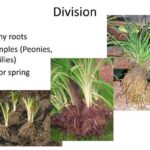 How to tell if your plant needs to be divided
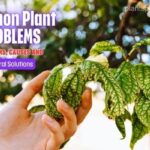 Why your plant suddenly stopped growing