
In this article, we will explore various methods and techniques to promote flowering in indoor plants, ensuring they thrive and display their vibrant blooms. We will discuss essential factors such as light exposure, watering practices, and fertilisation, as well as other practical suggestions to help you create the ideal environment for your plants to flourish. Whether you’re a seasoned gardener or a novice, these ideas will enable you to enhance the beauty of your indoor greenery.
Understanding Plant Needs
To successfully encourage flowering in indoor plants, it’s essential to understand their basic needs. Different species have varying requirements, but most plants thrive when their fundamental needs are met. These include light, water, nutrients, temperature, and humidity. By evaluating these aspects, you can create an optimal environment that promotes blooming.
Optimal Light Conditions
Light is one of the most critical factors influencing flowering in indoor plants. Here are some important considerations:
- Type of Light: Most flowering plants require bright, indirect sunlight. Consider using grow lights if natural light is insufficient.
- Duration: Ensure that your plants receive the right amount of light each day, typically between 12 to 16 hours, depending on the species.
- Positioning: Rotate your plants regularly to ensure even light exposure. Placing them near windows that receive a good amount of light can make a significant difference.
Watering Techniques
Watering is another key aspect of plant care that directly affects flowering. Here are some tips to ensure your plants are adequately hydrated:
- Check Soil Moisture: Always check the soil moisture before watering. Overwatering can lead to root rot, while underwatering can cause flowers to drop.
- Watering Schedule: Establish a consistent watering schedule based on the needs of your specific plant. Some may prefer weekly watering, while others may require it more frequently.
- Use the Right Method: Water at the base of the plant to avoid wetting the leaves, which can promote fungal diseases. A watering can with a long spout can help you reach the soil easily.
Fertilisation Tips
To encourage flowering, your plants need the right nutrients. Here are some fertilisation tips:
- Choose the Right Fertiliser: Use a balanced fertiliser or one specifically formulated for flowering plants. Look for higher phosphorus content, as it promotes blooming.
- Frequency: Fertilise during the growing season (spring and summer) once every 4-6 weeks. Reduce or stop fertilising during the dormant period.
- Application Method: Follow the instructions on the fertiliser package carefully. Over-fertilising can harm your plants and inhibit flowering.
Temperature and Humidity
The right temperature and humidity levels are essential for encouraging flowering in indoor plants. Consider the following:
- Ideal Temperature: Most flowering plants prefer temperatures between 18°C to 24°C during the day and slightly cooler at night.
- Humidity Levels: Many indoor plants thrive in higher humidity levels. Aim for humidity around 40-60%. Use a humidifier or place a tray of water near your plants to increase moisture in the air.
- Avoid Drafts: Ensure your plants are not exposed to cold drafts or sudden temperature changes, as this can stress them and inhibit flowering.
Pest and Disease Management
Keeping your plants healthy is crucial for encouraging flowering. Here are some strategies to manage pests and diseases:
- Regular Inspections: Frequently check your plants for signs of pests such as aphids, spider mites, and mealybugs. Early detection can prevent infestations.
- Natural Remedies: Consider using natural pest control methods like neem oil or insecticidal soap to combat pests without harming your plants.
- Maintain Cleanliness: Keep the area around your plants clean and free of debris, which can harbour pests and diseases.
Seasonal Care Adjustments
As the seasons change, so do the needs of your plants. Here are some adjustments to consider:
- Spring and Summer: Focus on promoting growth and flowering. Increase light exposure, adjust watering frequency, and fertilise regularly.
- Autumn: Gradually reduce watering and fertilising as plants enter their dormant phase. Monitor light levels as days become shorter.
- Winter: Protect your plants from cold temperatures and ensure they receive enough light. Some plants may need a complete rest period, while others may still require minimal care.
Encouraging Natural Growth Cycles
Understanding and respecting your plants’ natural growth cycles is essential for fostering healthy flowering. Here are some ways to encourage this:
- Pruning: Regularly prune dead or yellowing leaves and spent flowers to encourage new growth and flowering.
- Repotting: If your plant becomes root-bound, consider repotting it in a larger pot with fresh soil to stimulate growth.
- Seasonal Rest: Allowing plants a period of dormancy can recharge their energy, leading to more vigorous growth and flowering in the following season.
By paying attention to these critical factors, you can create an environment that fosters healthy flowering in your indoor plants. For more information and ideas on how to care for your plants, be sure to check out our product section on our website. Happy gardening!
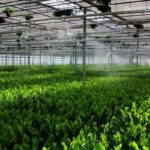 How to keep your greenhouse cool in summer
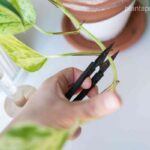 Tips for growing plants from cuttings
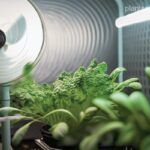 How to improve airflow in indoor gardening