
In this article, we will explore the various reasons why your plant may have suddenly halted its growth, offering insights into common issues that can affect plant health. From environmental factors to care mistakes, we will delve into the potential culprits behind this frustrating phenomenon. Additionally, we will provide practical suggestions and ideas to help you revive your plant and encourage robust growth once again.
Common Causes of Stunted Growth
Stunted growth in plants can be frustrating for any gardener or plant enthusiast. Understanding the common causes of this issue is essential for reviving your plants and ensuring they thrive. Here are some of the most prevalent factors that can lead to stunted growth:
- Nutrient Deficiencies: Plants require a balanced supply of nutrients to grow properly. A deficiency in essential nutrients such as nitrogen, phosphorus, or potassium can hinder growth.
- Improper Watering: Both overwatering and underwatering can stress plants, causing them to stop growing. It’s crucial to understand the specific watering needs of your plants.
- Inadequate Light: Insufficient light can lead to poor photosynthesis, resulting in stunted growth. Different plants have varying light requirements, which must be met for optimal growth.
- Soil Quality: Poor soil quality, including compaction and lack of organic matter, can inhibit root development and nutrient uptake.
- Pest Infestations: Pests can damage plant tissues and roots, leading to a decline in health and growth.
Understanding Plant Needs
To ensure healthy growth, it’s vital to understand the specific needs of your plants. Each type of plant has unique requirements concerning light, water, temperature, and nutrients. Here are some key factors to consider:
- Light: Determine if your plant thrives in full sun, partial shade, or full shade. Adjust its location accordingly to provide the right amount of light.
- Water: Understand how often your plant needs watering. Research its water requirements based on its species and growth stage.
- Temperature: Monitor the temperature around your plants. Most plants prefer a specific temperature range and may struggle to grow outside of it.
- Nutrients: Familiarise yourself with the nutrient needs of your plants. Consider using fertilisers or organic amendments to provide essential nutrients.
Soil Quality and Nutrient Deficiencies
Soil quality plays a crucial role in plant health and growth. Poor soil conditions can lead to nutrient deficiencies that inhibit growth. Here are some factors to consider:
- Soil pH: The pH level of your soil can affect nutrient availability. Most plants thrive in slightly acidic to neutral pH (6.0-7.0). Testing your soil’s pH can provide insight into potential nutrient lockout.
- Organic Matter: Adding organic matter, such as compost or well-rotted manure, can improve soil structure and nutrient content, benefiting plant growth.
- Soil Drainage: Ensure your soil has good drainage to prevent waterlogging, which can lead to root rot and other issues.
- Fertility: Regularly test your soil for nutrient levels and amend it accordingly. A balanced fertiliser can help address deficiencies.
Environmental Factors to Consider
Environmental conditions can significantly impact plant growth. Factors such as temperature fluctuations, humidity levels, and exposure to wind can all lead to stunted growth. Here are some environmental aspects to keep in mind:
- Temperature Changes: Be aware of extreme temperature fluctuations. Some plants may need protection from frost or excessive heat.
- Humidity Levels: Many houseplants thrive in higher humidity levels. Consider misting your plants or using a humidifier if your indoor environment is too dry.
- Wind Exposure: Wind can cause stress to plants, particularly young or delicate ones. Protect them from harsh winds by placing them in sheltered areas.
- Air Quality: Poor air quality can impact plant health. Ensure good ventilation, especially in indoor environments.
Pest Infestations and Diseases
Pests and diseases can significantly affect plant growth. Identifying and addressing these issues promptly is crucial. Here are some common pests and diseases to be aware of:
- Aphids: These small insects can sap the energy from your plants, leading to stunted growth. Look for signs of aphid infestations, such as curling leaves.
- Spider Mites: These pests can create webbing on plants and cause yellowing leaves. Regularly inspect your plants for any signs of infestation.
- Fungal Diseases: Conditions like powdery mildew or root rot can hinder growth. Ensure proper air circulation and avoid overwatering to reduce the risk of fungal issues.
- Virus Diseases: Some plants may suffer from viral infections, which can cause stunted growth and discoloration. Quarantine new plants to prevent spreading diseases.
How to Revive Your Plant
If your plant has stopped growing, don’t lose hope. There are several strategies you can employ to revive it:
- Assess Watering Practices: Adjust your watering schedule based on the plant’s needs. Ensure the pot has proper drainage to prevent waterlogging.
- Improve Light Conditions: Move your plant to a better-lit area or use grow lights if necessary.
- Fertilise Wisely: Use a balanced fertiliser to address nutrient deficiencies, but avoid over-fertilising, as this can stress your plant.
- Inspect for Pests: Regularly check for any signs of pests or diseases. Use insecticidal soap or neem oil to treat infestations.
- Repot if Necessary: If the plant is root-bound or the soil quality is poor, consider repotting it in fresh, well-draining soil.
Preventive Measures for Healthy Growth
Prevention is always better than cure. Implementing good practices can help ensure your plants grow healthy and strong. Here are some preventive measures:
- Regular Maintenance: Keep a regular schedule for watering, fertilising, and inspecting your plants for pests.
- Soil Testing: Conduct soil tests periodically to monitor nutrient levels and pH.
- Proper Spacing: Give plants enough space to grow to avoid overcrowding, which can lead to poor air circulation and increased disease risk.
- Rotate Plants: Change the location of your plants periodically to prevent soil depletion and pest infestations.
By understanding the causes of stunted growth and taking appropriate actions, you can help your plants flourish. For more information and ideas on plant care, be sure to check out our product section on our website. Happy gardening!
 How to help plants recover from heat stress
 The easiest vegetables to grow for beginners
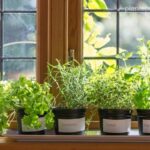 The easiest herbs to grow indoors