
In this article, we will delve into powerful strategies for ensuring your indoor garden remains well-organized and flourishing. From advice on how to arrange your plants for optimal growth to recommendations for keeping your space tidy and efficient, we’ll offer you practical ideas that can completely transform your indoor gardening experience. Whether you are a beginner or an experienced gardener, these insights will assist you in creating a stunning and manageable indoor garden.
Benefits of an Organised Indoor Garden
Having an organised indoor garden offers numerous benefits, not only for the plants themselves but also for the gardener. Here are some key advantages:
- Enhanced Plant Health: An organised space allows for better air circulation and light distribution, which can promote healthier plant growth.
- Increased Efficiency: With everything in its place, you’ll spend less time searching for tools and more time enjoying your gardening activities.
- Improved Aesthetics: A tidy garden is visually appealing, creating a calming environment that enhances your home’s decor.
- Better Tracking: An organised system enables you to easily monitor plant health and growth progression, making it easier to spot issues early.
- Easier Maintenance: When everything is well-organised, routine tasks such as watering, pruning, and repotting become simpler and less daunting.
Essential Tools for Garden Organisation
To create an efficient and organised indoor garden, certain tools are essential. Here’s a list of items that can help streamline your gardening efforts:
- Plant Labels: These help identify different species, especially in a diverse garden.
- Tool Organiser: A designated space for tools can prevent clutter and ensure everything is readily accessible.
- Watering Can: A quality watering can with measurements can assist in consistent watering.
- Potting Bench: This dedicated workspace allows for easier repotting and plant maintenance.
- Storage Bins: Clear bins for soil, fertiliser, and other supplies keep everything neat and visible.
Planning Your Indoor Space
When planning your indoor garden, consider the layout and space utilisation. Here are some tips to maximise your indoor gardening area:
- Assess Light Availability: Identify areas in your home with the best natural light and position your plants accordingly.
- Consider Plant Size: Group larger plants at the back and smaller ones in front to ensure all receive adequate light.
- Vertical Gardening: Use shelves or wall-mounted planters to create vertical space for smaller plants.
- Accessibility: Ensure that all plants are easily reachable for maintenance and watering.
- Designate Zones: Create specific areas for different plant types, such as herbs, succulents, and flowering plants.
Labeling and Tracking Your Plants
Effective labeling and tracking systems are crucial for maintaining an organised indoor garden. Here are some strategies to consider:
- Use Durable Labels: Invest in weather-resistant plant labels or biodegradable options that withstand wear and tear.
- Plant Journals: Keep a journal documenting each plant’s growth, watering schedule, and any care notes to track their progress.
- Digital Solutions: Consider using mobile apps designed for plant care to record information and set reminders for watering and feeding.
- Colour Coding: Use coloured labels or markers to indicate different care requirements, such as light needs or watering frequency.
- Regular Updates: Reassess your labels and tracking methods periodically to ensure they remain accurate and up to date.
Maintenance Tips for a Tidy Garden
Keeping your indoor garden tidy requires regular maintenance. Here are some tips to help you stay on top of your garden care:
- Daily Checks: Spend a few minutes each day inspecting your plants for signs of pests or disease.
- Weekly Watering Routine: Establish a consistent watering schedule that caters to the needs of your plants.
- Pruning: Regularly trim dead leaves and spent flowers to keep your plants healthy and encourage new growth.
- Clean Workspace: After each gardening session, tidy up your potting area and store tools properly to maintain a clean environment.
- Seasonal Overhaul: At the start of each season, reassess your garden layout and make adjustments as necessary for optimal growth.
Creative Storage Solutions
Storage solutions can significantly impact the organisation of your indoor garden. Here are some creative ideas to consider:
- Repurposed Furniture: Old bookshelves or dressers can be transformed into unique plant stands and storage spaces.
- Wall-Mounted Racks: Install racks or pegboards to store tools and supplies, freeing up floor space.
- Hanging Planters: Use hooks to hang planters from the ceiling or walls, utilising vertical space effectively.
- Clear Containers: Use clear jars or bins for soil and fertiliser, allowing you to see contents at a glance.
- Multi-Functional Furniture: Consider furniture pieces that double as storage, like benches with compartments beneath.
Seasonal Organisation Strategies
As the seasons change, so should your indoor gardening strategies. Here’s how to stay organised throughout the year:
- Spring Preparation: Plan for new plantings and reorganise for better light exposure as days lengthen.
- Summer Maintenance: Keep your garden tidy by regularly checking for pests and adjusting watering schedules.
- Autumn Cleanup: Remove any dead plants and prepare your indoor garden for the cooler months ahead.
- Winter Care: Adjust your watering habits as indoor heating can dry out the air, requiring more frequent checks.
- Seasonal Displays: Use seasonal decor to enhance your indoor garden’s aesthetic while keeping it organised.
In conclusion, maintaining an organised indoor garden is not only beneficial for the plants but also creates a serene and enjoyable environment for you. For more information on tools and ideas to enhance your indoor gardening experience, be sure to check out our product section on our website! Happy gardening!
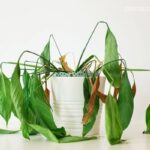 Why your plant is wilting even with water
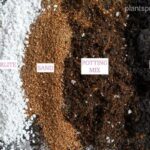 How to choose the right type of soil mix
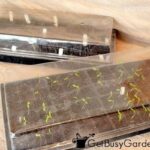 Tips for preventing mold in seed-starting trays