
In this article, you will discover a complete guide on establishing a small hydroponic garden right in your own home. We will delve into the necessary equipment required, explore different hydroponic systems available, and provide advice on choosing the best plants for your setup. Furthermore, we will share practical tips to successfully maintain your hydroponic garden, guaranteeing a rich harvest all year round.
Choosing the Right Location
When embarking on your hydroponic gardening journey, the first step is selecting the perfect location. The space needs to meet certain conditions to ensure optimal growth for your plants. Here are some key factors to consider:
- Light Exposure: Natural light is essential for photosynthesis, so choose a spot that receives adequate sunlight, ideally 6 to 8 hours a day. If natural light is limited, consider investing in grow lights.
- Temperature: Maintain a stable temperature, ideally between 18°C to 24°C. Extreme temperatures can hinder plant growth and health.
- Accessibility: Choose a location that is easy to access for maintenance, harvesting, and monitoring. This will encourage routine checks and care.
- Water Supply: Ensure that your location has easy access to water, as hydroponics relies heavily on water quality and availability.
Essential Equipment and Supplies
Once you’ve selected the ideal spot for your hydroponic garden, it’s time to gather the necessary equipment and supplies. Here’s a list of essentials you will need:
- Hydroponic System: Choose a system that suits your space and plant selection. Options include Nutrient Film Technique (NFT), Deep Water Culture (DWC), and Ebb and Flow systems.
- Growing Medium: Unlike traditional soil gardening, hydroponics uses inert growing mediums such as coconut coir, rock wool, or perlite to support plant roots.
- Nutrients: Hydroponic plants require a balanced nutrient solution. Purchase a quality hydroponic nutrient mix to provide the essential elements your plants need.
- Water Pump: A good quality water pump is essential for circulating the nutrient solution throughout your system.
- pH Testing Kit: Maintaining the correct pH level (between 5.5 and 6.5) is crucial for nutrient absorption. A pH testing kit will help you monitor and adjust levels as needed.
Selecting Suitable Plants
Not all plants thrive in a hydroponic environment, so it’s important to choose plants that are well-suited for this growing method. Here are some excellent options:
- Leafy Greens: Lettuce, spinach, and kale are popular choices as they grow quickly and require minimal care.
- Herbs: Basil, mint, and parsley do well in hydroponic systems and can enhance your culinary experiences.
- Fruiting Plants: If you have more experience, consider tomatoes, peppers, or strawberries, which can flourish in hydroponic setups.
- Flowers: Certain flowering plants, such as orchids and geraniums, can also be grown hydroponically, adding beauty to your garden.
Setting Up Your Hydroponic System
With your equipment and plants selected, it’s time to set up your hydroponic system. Follow these steps for a successful setup:
- Assemble Your System: Follow the instructions provided with your hydroponic kit carefully, ensuring all components are connected properly.
- Add Growing Medium: Place your chosen growing medium into the net pots, making sure it is evenly distributed.
- Prepare Nutrient Solution: Mix your hydroponic nutrients with water according to the package instructions, ensuring the right concentration for your plants.
- Plant Your Seeds or Seedlings: Insert seeds or seedlings into the growing medium, ensuring they are secure and have enough space to grow.
- Set Up Lighting: If using grow lights, position them appropriately above your plants to ensure they receive sufficient light.
Maintaining Your Garden
Proper maintenance is key to a thriving hydroponic garden. Regular care will ensure your plants grow healthy and robust. Here are some essential maintenance tasks:
- Monitor Nutrient Levels: Regularly check the nutrient solution concentration and pH levels to maintain optimal conditions for your plants.
- Pruning and Trimming: Keep your plants healthy by removing any dead leaves and excess growth to promote better airflow and light penetration.
- Check for Pests: Inspect your plants regularly for signs of pests or diseases. Address issues promptly to prevent infestations.
- Change Nutrient Solution: It’s advisable to change the nutrient solution every 2-3 weeks to prevent nutrient imbalances.
Troubleshooting Common Issues
Even the most experienced gardeners encounter challenges. Here are some common issues and how to address them:
- Yellowing Leaves: This may indicate nutrient deficiencies or incorrect pH levels. Check the nutrient concentration and adjust as necessary.
- Poor Growth: Ensure your plants are receiving adequate light, nutrients, and proper pH levels.
- Root Rot: This occurs when roots are submerged in stagnant water. Ensure your system allows for proper oxygenation and drainage.
- Algae Growth: Algae can thrive in nutrient-rich solutions. Limit light exposure to the nutrient reservoir to prevent growth.
Harvesting and Enjoying Your Produce
After your hard work and dedication, it’s time to enjoy the fruits of your labour. Here are some tips for harvesting:
- Timing: Harvest your produce at the right time for the best flavour and texture. Leafy greens should be picked when they are young and tender, while fruits should be harvested when fully ripe.
- Tools: Use clean, sharp scissors or pruners to avoid damaging your plants during the harvest.
- Storage: Store your harvested produce in a cool, dry place to prolong freshness. Consider using airtight containers or bags to keep them crisp.
Starting a small hydroponic garden at home can be a rewarding experience. For more information on hydroponic systems and supplies, be sure to check out our product section on our website. Happy gardening!
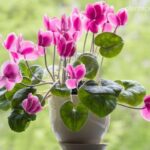 Tips for growing flowers indoors
 Tips for growing succulents successfully