
In this article, we will explore straightforward but powerful techniques to rejuvenate a struggling plant and restore its vitality. Whether you are an experienced gardener or a beginner plant enthusiast, these practical tips and suggestions will enable you to identify the root causes affecting your plant’s health and offer the essential care needed to revive it. From modifying your watering routine to enhancing light conditions, uncover how to infuse new energy into your greenery.
Assessing Plant Health
Before taking any steps to revive a struggling plant, it’s essential to assess its overall health. Look for signs of distress such as wilting leaves, yellowing foliage, or stunted growth. Understanding the specific symptoms can help pinpoint the underlying issues. For instance, yellow leaves may indicate overwatering or nutrient deficiency, while brown, crispy edges can suggest underwatering or inadequate humidity. Take the time to evaluate the plant’s condition thoroughly before implementing any changes.
Adjusting Watering Habits
Watering is one of the most critical aspects of plant care. Overwatering can lead to root rot, while underwatering can cause dehydration and stress. To adjust your watering habits:
- Check Soil Moisture: Insert your finger into the soil about an inch deep. If it feels dry, it’s time to water. If it’s still moist, wait a few days.
- Use the Right Pot: Ensure the pot has proper drainage holes to prevent water from pooling at the bottom.
- Water Consistently: Establish a regular watering schedule based on the plant’s needs, which may vary with the seasons.
Optimising Light Conditions
Light is another essential factor influencing plant health. Different plants require varying amounts of light, so it’s crucial to understand your plant’s specific needs:
- Assess Light Levels: Observe the amount of light your plant receives throughout the day. Too much direct sunlight can scorch leaves, while too little can hinder growth.
- Adjust Placement: Move the plant closer to a light source if it appears to be stretching towards the light, or relocate it to a shadier area if leaves are burning.
- Consider Artificial Lighting: For indoor plants, using grow lights can provide the necessary illumination, especially during the darker months.
Improving Soil Quality
Healthy soil is vital for strong plant growth. Poor soil conditions can lead to nutrient deficiencies and hinder root development. To improve soil quality:
- Choose the Right Soil Mix: For pot plants, use a high-quality potting mix tailored to your plant type.
- Amend the Soil: Incorporate organic matter such as compost or well-rotted manure to enhance soil structure and nutrient content.
- Monitor pH Levels: Some plants thrive in acidic soil, while others prefer alkaline conditions. Use a pH meter to check and adjust the soil accordingly.
Pruning and Removing Dead Leaves
Regular pruning and maintenance can significantly improve a plant’s health. Removing dead or damaged foliage not only enhances appearance but also encourages new growth. Here’s how to effectively prune your plants:
- Use Clean Tools: Always use sharp, clean scissors or pruning shears to avoid spreading diseases.
- Remove Dead or Diseased Leaves: Cut away any leaves that are beyond saving to allow the plant to focus its energy on healthy growth.
- Shape the Plant: Prune to maintain a balanced shape and remove any overcrowded branches that may hinder airflow.
Fertilising Effectively
Fertilising your plant can provide the necessary nutrients for healthy growth. However, it’s crucial to do so correctly to avoid over-fertilisation, which can damage the plant:
- Choose the Right Fertiliser: Select a balanced fertiliser suited to your plant’s needs, whether it’s a slow-release granule or a liquid feed.
- Follow Instructions: Always adhere to the manufacturer’s instructions regarding dosage and frequency.
- Fertilise During Growing Season: Most plants benefit from fertilisation during their active growth period, typically in spring and summer.
Preventing Pests and Diseases
Pests and diseases can quickly transform a healthy plant into a struggling one. Prevention is essential for maintaining plant health:
- Inspect Regularly: Examine your plants often for signs of pests such as aphids, spider mites, or mealybugs.
- Maintain Cleanliness: Ensure the area surrounding your plants is tidy and free from debris that could harbor pests.
- Use Natural Remedies: Consider utilizing insecticidal soap or neem oil as a proactive strategy against pests.
Encouraging New Growth
Finally, to encourage new growth, provide a supportive environment for your plant. This includes ensuring optimal conditions for growth:
- Maintain Humidity: Some plants thrive in higher humidity levels. Consider using a humidifier or pebble tray to increase moisture in the air.
- Rotate the Plant: Rotating your plant can ensure even light distribution, promoting balanced growth.
- Be Patient: New growth takes time. Give your plants the necessary care and attention, and they should respond positively.
For more information on plant care and to explore our product section, don’t hesitate to browse our website. Reviving a dying plant is indeed possible with a little effort and knowledge!
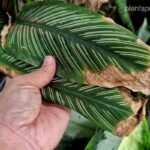 Why your plant has brown tips on the leaves
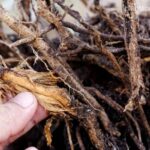 How to spot early signs of root rot
 Why some plants prefer distilled water