
In this article, we will explore the easiest vegetables to grow for beginners, providing a comprehensive guide to help you kickstart your gardening journey. Whether you have a sprawling garden or just a small balcony, you’ll find suggestions on which vegetables are most forgiving and straightforward to cultivate. From selecting the right seeds to basic care tips, this guide is packed with practical ideas to ensure your gardening experience is enjoyable and fruitful.
Choosing the Right Location
When embarking on your gardening journey, the first crucial step is selecting the right location. The ideal spot for your vegetable garden should receive at least 6-8 hours of direct sunlight daily. Sunlight is essential for photosynthesis, which is how plants produce food. Look for a location that is sheltered from strong winds and has easy access to water.
Additionally, consider the proximity to your home. A garden close to your kitchen makes it easier to harvest and use fresh vegetables in your cooking. Ensure that the area has well-drained soil to prevent waterlogging, which can be detrimental to plant roots.
Essential Tools for Beginners
Having the right tools at your disposal can make a significant difference in your gardening experience. Here are some essential tools every beginner gardener should consider:
- Spade: Perfect for digging and turning soil.
- Hand trowel: Useful for planting seeds and transplanting seedlings.
- Garden fork: Ideal for aerating soil and mixing in organic matter.
- Pruning shears: Necessary for trimming plants and harvesting vegetables.
- Watering can or hose: Essential for keeping your plants hydrated.
Investing in quality tools not only makes gardening easier but also enhances your overall experience as you cultivate your green thumb.
Top Easy-to-Grow Vegetables
For beginners, selecting easy-to-grow vegetables can significantly boost your confidence and overall enjoyment in gardening. Here are some excellent choices:
- Radishes: Quick to sprout, radishes can be harvested in as little as three weeks.
- Lettuce: This leafy green grows rapidly and can be harvested multiple times.
- Carrots: With proper care, they thrive in various soil types and are rewarding to grow.
- Beans: They are resilient and can be sown directly into the ground, requiring minimal maintenance.
- Zucchini: This prolific plant produces a large yield, making it a favourite among beginners.
These vegetables not only grow well in a variety of conditions but also provide a satisfying harvest that can encourage you to expand your gardening efforts.
Soil Preparation Tips
Good soil is the foundation of a successful vegetable garden. Preparing your soil properly is essential for healthy plant growth. Here are some tips to ensure your soil is ready:
- Test your soil: Conduct a soil test to determine pH levels and nutrient content.
- Add organic matter: Incorporate compost or well-rotted manure to improve soil fertility and structure.
- Aerate the soil: Break up compacted soil to allow roots to penetrate easily and improve drainage.
- Remove weeds: Clear out any existing weeds to reduce competition for nutrients and water.
By investing time in soil preparation, you lay the groundwork for a thriving vegetable garden.
Watering and Maintenance
Watering is a critical aspect of maintaining your vegetable garden. Here are some essential tips for effective watering:
- Water deeply: Instead of frequent shallow watering, aim for deep watering to encourage deep root growth.
- Water in the morning: Early morning is the best time to water, reducing evaporation and fungal diseases.
- Mulch: Applying a layer of mulch can help retain soil moisture and suppress weeds.
Regular maintenance also includes checking for signs of plant stress and adjusting your care routine accordingly. Keeping an eye on your plants’ health ensures a bountiful harvest.
Pest Control Strategies
As you cultivate your garden, pests may become a concern. Here are some effective pest control strategies:
- Companion planting: Certain plants, like marigolds, can deter pests from your vegetables.
- Natural predators: Encouraging birds and beneficial insects can help control pest populations.
- Organic sprays: Consider using neem oil or insecticidal soap as a natural pest control method.
By implementing these strategies, you can protect your garden without resorting to harsh chemicals.
Harvesting Your Vegetables
Knowing when and how to harvest your vegetables is key to enjoying their full flavour and nutritional benefits. Here are some guidelines:
- Timing: Harvest vegetables at their peak ripeness for the best taste. Check specific varieties for optimal harvest time.
- Use the right tools: Utilize sharp scissors or pruning shears to avoid damaging the plant when harvesting.
- Handle with care: Be gentle when picking to avoid bruising or damaging your produce.
Proper harvesting ensures that you enjoy the fruits of your labour at their best.
Storing and Using Your Produce
Once you’ve harvested, proper storage is essential to maintain freshness. Here are some tips:
- Refrigerate: Most leafy greens and root vegetables should be stored in the fridge to prolong freshness.
- Keep dry: Moisture can lead to rot, so ensure your vegetables are dry before storage.
- Utilise: Consider freezing or canning excess produce to enjoy your harvest throughout the year.
By using and storing your fresh vegetables wisely, you can enjoy the fruits of your labour long after the growing season ends.
For more information on gardening tools and products, feel free to explore our product section on our website!
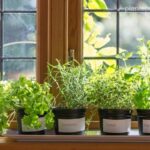 The easiest herbs to grow indoors
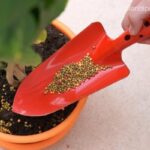 The best way to fertilize houseplants safely
 How to prevent cross-contamination in plants