
In this article, we will explore the common reasons why your ferns may be drying out and provide practical solutions to help you revive these beautiful plants. From environmental factors to care techniques, we will delve into essential tips and suggestions that can enhance your fern care routine. Whether you’re a seasoned plant enthusiast or a beginner, understanding the needs of your ferns will ensure they thrive in your home.
Understanding Ferns’ Needs
Ferns are fascinating plants known for their lush foliage and ability to thrive in a variety of environments. However, they have specific needs that must be met to ensure their health and vitality. Unlike many other houseplants, ferns prefer a humid environment and can be quite sensitive to changes in their surroundings. Understanding these needs is crucial for keeping your ferns thriving.
Ferns generally prefer indirect light, as direct sunlight can scorch their leaves. Additionally, they require consistent moisture, both in their soil and in the air around them. The right balance of water, humidity, and light will help your fern flourish and prevent drying out.
Common Causes of Drying Out
Numerous factors can contribute to a fern drying out, and identifying these causes is the first step in resolving the issue:
- Inadequate Watering: Insufficient water can swiftly dehydrate a fern, whereas overwatering may lead to root rot, ultimately causing the plant to deteriorate.
- Low Humidity: Ferns flourish in humid conditions; a dry environment can cause the leaves to curl and turn crispy.
- Excessive Heat: Positioning ferns in areas with high temperatures, such as near a radiator or in direct sunlight, can result in desiccation.
- Poor Soil Quality: Soil that fails to retain moisture or drain effectively can significantly impact the plant’s ability to absorb water.
Signs Your Fern is Dehydrated
It’s crucial to recognize the indicators of dehydration in your fern to avoid further damage:
- Crispy Leaves: The most apparent sign of dehydration is crispy or brown leaf tips and edges.
- Wilting: A dehydrated fern may exhibit signs of wilting, with leaves drooping or losing their upright posture.
- Yellowing Leaves: Although yellow leaves can also suggest overwatering, they may indicate stress from inconsistent moisture levels.
- Falling Leaves: If your fern is shedding leaves at an accelerated pace, it could signal that it is not receiving enough water.
Proper Watering Techniques
Watering your fern correctly is vital for its health. Here are some tips to ensure you’re providing the right amount of moisture:
- Check the Soil: Always check the top inch of soil before watering. If it feels dry, it’s time to water.
- Water Thoroughly: When you do water, ensure you’re saturating the entire root system. Water until you see it draining out of the bottom of the pot.
- Use Room Temperature Water: Cold water can shock the roots. Let your water sit out for a few hours or use room temperature water for best results.
- Adjust Watering Frequency: During the growing season, ferns may require more frequent watering, while in winter, you may reduce this.
Optimal Humidity Levels
For ferns to thrive, they require high humidity levels, ideally between 50% and 70%. Here are some ways to maintain optimal humidity:
- Humidity Trays: Place your fern pot on a tray filled with pebbles and water. As the water evaporates, it will increase the humidity around the plant.
- Regular Misting: Lightly misting your fern daily can help maintain adequate humidity, especially in dry indoor environments.
- Group Plants Together: By clustering your ferns and other plants, you can create a microclimate with higher humidity.
- Use a Humidifier: If possible, consider using a humidifier in the room where your fern is located to maintain a consistent level of humidity.
Choosing the Right Soil
The soil you use for your fern can significantly impact its health. Here are some tips for selecting the right soil:
- Well-Draining Soil: Ferns prefer a soil mix that retains moisture while allowing excess water to drain away, preventing root rot.
- Organic Matter: Incorporate organic materials like peat moss or compost to help retain moisture and provide essential nutrients.
- pH Levels: Aim for a slightly acidic pH (around 5.5 to 6.5) to create an optimal environment for your fern.
Tips for Reviving a Dry Fern
If you’ve discovered that your fern has dried out, don’t despair! Here are some steps you can take to revive it:
- Immediate Watering: Water the fern thoroughly to help rehydrate the roots.
- Humidity Increase: Implement humidity-boosting methods, such as misting or using humidity trays.
- Trim Damaged Leaves: Remove any severely damaged or dead fronds to encourage new growth.
- Be Patient: Recovery can take time, so remain patient and monitor your fern’s progress.
Preventing Future Issues
Taking proactive measures can help prevent your fern from drying out again:
- Regular Care: Establish a routine for checking soil moisture and humidity levels to catch any issues early.
- Monitor Environmental Changes: Be aware of changes in your home that could affect your fern, such as new heating systems or changes in light.
- Feed Appropriately: Use a balanced fertiliser during the growing season to support overall health.
In conclusion, keeping your ferns hydrated and healthy requires understanding their unique needs and providing the right care. For additional information on plant care, you can explore our product section by browsing our website. Happy gardening!
 How to create a simple indoor grow setup
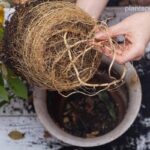 How to tell if a plant is root-bound