In this article, we will delve into the frequent reasons that cause seeds to fail in their germination process and offer practical solutions aimed at helping you cultivate a flourishing garden. Whether you’re an experienced gardener or just starting out, comprehending the factors that influence seed germination is crucial for your success. We’ll discuss essential topics such as soil quality, temperature, moisture levels, and the age of seeds, providing valuable tips to enhance your gardening techniques and ensure that your seeds grow effectively.
Common Reasons for Seed Failure
Seed germination is a critical step in gardening and farming, but many enthusiasts encounter challenges that lead to seed failure. Understanding these common pitfalls can significantly enhance your success rate. Here are some reasons why seeds may not germinate:
- Old or Poor-Quality Seeds: Seeds have a shelf life, and their viability diminishes over time. Always check the expiry date and select seeds from reputable sources.
- Improper Storage: Seeds should be stored in a cool, dry place. Exposure to moisture or extreme temperatures can lead to seed damage.
- Inadequate Soil Preparation: Seeds require good contact with the soil to germinate. Poorly prepared soil can lead to insufficient moisture and nutrient uptake.
- Improper Planting Depth: Each type of seed has specific planting depth requirements. Planting too deep can prevent seeds from reaching the surface, while planting too shallow can expose them to drying out.
- Environmental Stress: Seeds are sensitive to environmental conditions. Extreme fluctuations in temperature or light can hinder germination.
Importance of Soil Quality
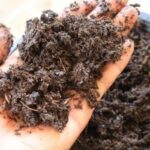
The quality of soil plays a vital role in seed germination. Healthy soil provides the necessary nutrients, moisture, and structure needed for seeds to sprout. Here are some key factors to consider:
- Nutrient Content: Soil should be enriched with organic matter and essential nutrients, such as nitrogen, phosphorus, and potassium.
- Soil Texture: A well-balanced mix of sand, silt, and clay is crucial. This ensures proper drainage while retaining adequate moisture.
- pH Level: Most seeds prefer a slightly acidic to neutral pH (around 6.0 to 7.0). Conduct a pH test and amend the soil as necessary.
Watering Techniques Explained
Water is essential for germination, but the way you water can significantly impact seed success. Here are some effective watering techniques:
- Bottom Watering: Place the seed tray in a shallow dish of water, allowing the soil to absorb moisture from below. This prevents the seeds from being displaced.
- Watering Can with a Fine Rose: Use a watering can with a fine rose attachment to gently water seeds without displacing them.
- Misting: For delicate seeds, a mister can provide a fine spray of water, keeping the soil moist without over-saturating it.
- Monitoring Soil Moisture: Use your finger or a moisture meter to check soil moisture regularly. Seeds should be kept consistently moist but not waterlogged.
Temperature and Light Requirements
Temperature and light are essential factors for seed germination, as each seed variety has its own unique needs. Here’s what to keep in mind:
- Optimal Temperature: Most seeds germinate most effectively at temperatures ranging from 18°C to 24°C. If needed, utilize heating mats to ensure a stable warmth.
- Light Exposure: Certain seeds necessitate light for germination, whereas others thrive better in dark conditions. Always refer to the seed packet for detailed light requirements.
- Sunlight vs. Artificial Light: When starting seeds indoors, think about using grow lights to supply the necessary light levels for healthy growth.
Choosing the Right Seeds
Choosing the right seeds is fundamental for successful gardening. Here are some tips on selecting seeds that will flourish:
- Local Varieties: Opt for seeds that are native or well-adapted to your local climate, as they are more likely to thrive.
- Hardiness Zone: Check your hardiness zone and select seeds suited for your region’s temperature and climate conditions.
- Consult Seed Catalogues: Many seed companies provide detailed descriptions of growth habits, disease resistance, and care requirements.
Pests and Diseases to Watch For
Even with ideal conditions, seeds can fail due to pests and diseases. Here are some common issues to be aware of:
- Fungal Diseases: Damping-off disease can kill seedlings before they emerge. Ensure good airflow and avoid overwatering to minimise risks.
- Insect Pests: Aphids, cutworms, and other pests can damage seedlings. Keep an eye out for signs of infestation and manage them promptly.
- Weeds: Weeds compete for nutrients and light. Ensure your planting area is weed-free prior to sowing seeds.
Tips for Successful Germination
To increase your chances of successful seed germination, consider the following tips:
- Soak Seeds: Some seeds benefit from soaking in water for a few hours or overnight before planting, which can help kick-start the germination process.
- Follow Instructions: Always adhere to the seed packet instructions regarding planting depth, spacing, and care.
- Keep a Journal: Document your planting dates, conditions, and outcomes to refine your technique over time.
- Experiment: Don’t be afraid to try different varieties and techniques. Gardening is often about trial and error.
By understanding and addressing the factors that affect seed germination, you can create a thriving garden. For more information on gardening techniques, tips, and a selection of seeds, check out our product section on our website. Happy gardening!