
In this article, we will delve into effective and natural techniques to get rid of fungus gnats, those annoying little insects that frequently invade houseplants and gardens. We will cover a range of strategies, including preventative measures, DIY solutions, and environmental adjustments that can assist you in keeping these nuisances away without relying on harsh chemicals. Whether you’re dealing with a minor infestation or looking to avert future invasions, you’ll discover practical tips and suggestions to confront the issue directly.
Understanding Fungus Gnats
Fungus gnats are small, dark, fly-like insects that are commonly found in moist environments, particularly around houseplants. These pests are attracted to the organic matter in soil and thrive in conditions that are damp and humid. While they are generally harmless to humans, their larvae can damage plant roots, leading to poor plant health and growth.
Fungus gnats belong to the Sciaridae family, and their life cycle consists of four stages: egg, larva, pupa, and adult. Adult gnats typically measure around 1/8 inch in length and have long legs and wings. The larvae, which are the damaging stage, are tiny, white, and translucent, often found crawling on the soil surface or within the soil itself.
Identifying Infestations
Recognizing a fungus gnat infestation at an early stage can protect your plants from severe harm. Here are some key signs to watch for:
- Visible Gnats: Adult gnats are frequently spotted flying around your plants, particularly when they are disturbed.
- Larvae Presence: Discovering small, white larvae in the soil or on the surface is a clear indication of an active infestation.
- Plant Health: Symptoms such as yellowing leaves, wilting, or stunted growth may suggest that your plants are experiencing root damage due to gnats.
- Soil Moisture: Consistently wet soil creates an ideal breeding ground for these pests.
Natural Remedies
If you encounter a fungus gnat infestation, there are numerous natural remedies you can utilize to eliminate them without relying on chemicals. Here are some effective methods:
- Drying Out Soil: Fungus gnats flourish in moist conditions, so allowing the top inch or two of soil to dry out between waterings can disrupt their life cycle.
- Sticky Traps: Position yellow sticky traps around your plants. Adult gnats are attracted to the color and will become stuck, effectively reducing their population.
- Beneficial Nematodes: These microscopic worms can be introduced into the soil to prey on gnat larvae. They provide a natural and effective method to control infestations.
- Cinnamon: Dust ground cinnamon on the soil surface. Cinnamon possesses natural antifungal properties that can deter gnats by eliminating their food source.
- Apple Cider Vinegar Trap: Create a trap by blending apple cider vinegar with a few drops of dish soap in a bowl. The sweet aroma attracts the gnats, while the soap disrupts the surface tension, causing them to drown.
Preventive Measures
Preventing fungus gnat infestations is much easier than dealing with them once they occur. Here are some effective strategies to keep these pests at bay:
- Proper Watering: Avoid overwatering your plants. Ensure that pots have drainage holes, and only water when the topsoil is dry.
- Soil Selection: Use well-draining soil mixes and avoid using organic matter that may attract gnats.
- Regular Inspections: Inspect your plants regularly for signs of pests. Early detection can prevent larger infestations.
- Quarantine New Plants: When bringing new plants home, keep them isolated for a couple of weeks to ensure they are free from pests.
- Cleanliness: Keep the area around your plants clean and free from debris, as decaying organic matter can attract gnats.
Maintaining a Healthy Environment
Creating a healthy environment for your plants is crucial to preventing fungus gnats and ensuring their overall well-being. Here are some tips to maintain a thriving indoor garden:
- Humidity Control: Monitor humidity levels in your home. Fungus gnats thrive in high humidity, so using a dehumidifier can help maintain optimal conditions.
- Air Circulation: Ensure proper airflow around your plants. This can be achieved through the use of fans or by simply spacing your plants adequately.
- Regular Fertilisation: Feeding your plants with a balanced fertiliser can help promote strong growth, making them less susceptible to pests.
- Healthy Soil: Consider using organic amendments such as perlite or sand to improve soil drainage and reduce moisture retention.
When to Seek Professional Help
While many fungus gnat infestations can be managed with natural remedies and preventive measures, there may be situations where the problem escalates beyond your control. Here are some indicators that it may be time to seek professional help:
- Severe Damage: If your plants are severely damaged, and the infestation persists despite your attempts to manage it.
- Persistent Infestations: If the gnats keep returning even after implementing various control methods.
- Multiple Plants Affected: If the infestation spreads to multiple plants, it may indicate a larger problem requiring professional intervention.
In conclusion, understanding fungus gnats and employing both natural remedies and preventive measures can significantly reduce their impact on your indoor plants. For more information, ideas, and resources, be sure to check out our product section on our website. Maintaining a healthy environment for your plants will not only keep pests at bay but also promote a thriving indoor garden.
 Simple ways to revive a dying plant
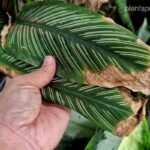 Why your plant has brown tips on the leaves
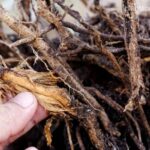 How to spot early signs of root rot