
This article will delve into effective strategies to assist plants in recovering from the harmful effects of heat stress. As temperatures soar, numerous plants find it challenging to adapt, resulting in wilting, leaf scorch, and stunted growth. We will explore a range of methods, such as watering techniques, shade provision, and soil management, to help your plants regain their vitality. Furthermore, you will discover practical tips and suggestions for effectively implementing these strategies in your garden or outdoor area.
Understanding Heat Stress in Plants
Heat stress in plants occurs when they are exposed to excessively high temperatures for prolonged periods. This condition can lead to a range of adverse effects, including wilting, reduced growth, and in severe cases, death. Plants have various mechanisms to cope with heat, but extreme conditions can overwhelm their capacities, leading to stress. Understanding the physiological processes involved can help gardeners take appropriate measures to support their plants during hot spells.
Signs of Heat Stress to Look For
Recognising the signs of heat stress early can make a significant difference in managing your plants. Here are some common indicators:
- Wilting: Leaves may droop and lose turgidity.
- Leaf scorch: Edges of leaves may turn brown and crispy.
- Stunted growth: Plants may stop growing or exhibit slow growth.
- Discolouration: Foliage may become pale or yellow.
- Falling leaves: Premature leaf drop can occur as a survival mechanism.
By being vigilant about these signs, gardeners can intervene quickly to mitigate damage.
Immediate Actions to Take
If you notice signs of heat stress in your plants, consider taking the following immediate actions to alleviate their suffering:
- Provide shade: Use shade cloth, garden umbrellas, or even larger plants to shield vulnerable plants from direct sunlight.
- Increase watering: Ensure plants receive adequate water, but avoid overwatering, which can lead to root rot.
- Mulch: Apply a layer of organic mulch around plants to help retain moisture and regulate soil temperature.
- Avoid fertilising: Hold off on fertilising until plants have recovered, as fertilisers can add stress during heat waves.
These steps can provide immediate relief and help prevent further damage to your plants.
Long-term Recovery Strategies
After the initial heat stress, it’s essential to focus on long-term recovery strategies to restore plant health:
- Prune damaged foliage: Remove any severely damaged leaves or stems to encourage new growth.
- Regular watering schedule: Establish a consistent watering routine to support recovery.
- Monitor soil health: Test soil quality and adjust pH and nutrient levels as necessary to support healthy growth.
- Consider companion planting: Introduce companion plants that can provide shade or improve soil health.
Implementing these strategies will not only help plants recover but also prepare them better for future heat events.
Preventing Future Heat Stress
Prevention is always better than cure. Here are some strategies to prevent heat stress in your plants in the future:
- Choose the right location: Plant heat-sensitive species in partially shaded areas, especially during the hottest months.
- Improve soil quality: Healthy soil can retain moisture better and support stronger root systems.
- Use windbreaks: Plant hedges or install barriers to protect plants from hot winds.
- Implement crop rotation: Change the location of plants annually to avoid soil depletion and encourage biodiversity.
By taking proactive measures, gardeners can significantly reduce the risk of heat stress.
Choosing Resilient Plant Varieties
Selecting the right plants for your garden can make a substantial difference in their ability to withstand heat. Consider the following tips when choosing plant varieties:
- Opt for native plants: Native species are typically better adapted to local climate conditions.
- Look for drought-resistant varieties: Many plants are bred for resilience in hot, dry conditions.
- Consider perennials over annuals: Perennial plants generally have deeper root systems, making them more resilient to heat stress.
- Research heat-tolerant hybrids: Many hybrids are specifically developed for increased temperature resilience.
Investing time in selecting appropriate plant varieties can significantly enhance the resilience of your garden.
Watering Techniques for Hot Weather
Effective watering techniques are crucial for maintaining plant health during hot weather. Here are some methods to consider:
- Water early or late: Watering in the early morning or late evening reduces evaporation and allows plants to absorb more moisture.
- Deep watering: Ensure that water penetrates deep into the soil to encourage deep root growth.
- Use drip irrigation: This method delivers water directly to the roots, minimising waste and ensuring efficient moisture absorption.
- Collect rainwater: Installing rain barrels can provide a sustainable water source for your garden.
Implementing these watering techniques can help your plants thrive, even during the hottest days of summer.
Creating a Supportive Garden Environment
Finally, creating a supportive environment for your plants can boost their resilience against heat stress. Consider these strategies:
- Maintain healthy soil: Regularly amend your soil with organic matter to improve its structure and moisture retention.
- Protect from pests: Healthy plants are less susceptible to pests, so keep an eye out for any infestations that could further stress your plants.
- Encourage biodiversity: A diverse garden ecosystem can improve overall health and resilience against extreme weather conditions.
- Observe and adapt: Regularly monitor plant health and be willing to adapt your gardening practices in response to changing climate conditions.
By creating a supportive garden environment, you not only help your plants withstand heat stress but also promote overall garden health.
For more information on plant care and various gardening tips, feel free to browse our product section on our website, where you can find resources to enhance your gardening experience.
 The easiest vegetables to grow for beginners
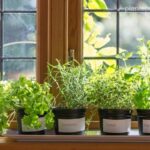 The easiest herbs to grow indoors
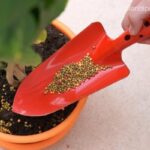 The best way to fertilize houseplants safely