In this article, we will delve into the many reasons for the yellowing of plant leaves, a frequent issue faced by numerous plant lovers. We will examine potential causes such as nutrient deficiencies, overwatering, and environmental factors. Additionally, we will offer practical tips and solutions to tackle these problems. By grasping the root causes, you can help your plants stay healthy and vibrant.
Common Causes of Yellowing Leaves
Yellowing leaves can be a distressing sight for any plant enthusiast. Understanding the common causes can help you address the issue before it becomes serious. Here are some of the leading culprits behind yellowing foliage:
Nutrient Deficiencies
Nutrient deficiencies are one of the most common causes of yellowing leaves. Plants require various nutrients to thrive, and when they don’t receive enough, it can result in discoloration.
Overwatering Issues
Overwatering is another frequent reason for yellow leaves. Excessive moisture can lead to root rot, affecting the plant’s ability to absorb nutrients and causing leaves to turn yellow.
Underwatering Symptoms
Conversely, underwatering can also lead to yellowing leaves. When plants do not receive sufficient water, they can become stressed, leading to changes in leaf color as a sign of distress.
Pest Infestations
Pests can wreak havoc on plants, causing yellowing leaves as they feed on the plant’s nutrients. Identifying and managing pest problems early can help keep your plants healthy.
Identifying Nutrient Deficiencies
Recognising the specific nutrient deficiency affecting your plant is crucial for restoring its health. Here are some signs to look for:
Signs of Nitrogen Deficiency
Nitrogen deficiency often manifests as yellowing of the older leaves, while the newer leaves may remain green. This is because nitrogen is a mobile nutrient, and the plant redistributes it to younger growth.
Iron Deficiency Indicators
Iron deficiency usually results in yellowing between the leaf veins, with the veins themselves remaining green. This symptom is especially common in younger leaves and is referred to as interveinal chlorosis.
Magnesium Deficiency Symptoms
Magnesium deficiency typically presents as yellowing on the edges of older leaves, often accompanied by a mottled appearance. This deficiency can also lead to leaf curling and a general decline in plant health.
Watering Practices for Healthy Plants
Proper watering is essential for maintaining vibrant and healthy leaves. Here’s how to ensure you’re providing the right amount of moisture:
Signs of Overwatering
Common signs of overwatering include wilting, yellowing leaves, and a mushy stem. The soil may also feel soggy, and a foul smell may emanate from the pot, indicating root rot.
Recognising Underwatering
Underwatered plants often exhibit dry, crispy leaves that may curl or become brittle. The soil may be dry to the touch, and you might notice wilting or drooping leaves.
Proper Watering Techniques
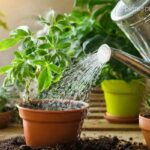
To promote healthy growth, water your plants thoroughly but infrequently. Allow the top inch of soil to dry out between waterings. Using pots with drainage holes can also help prevent overwatering.
Managing Pest Problems
Pests can be a significant threat to the health of your plants, but understanding how to manage them can save your greenery:
Common Plant Pests
Common pests that can cause yellowing leaves include aphids, spider mites, and whiteflies. Each of these pests feeds on plant sap, leading to nutrient deficiencies and overall plant stress.
Signs of Infestation
Look for small insects on the leaves or webbing in the case of spider mites. Yellowing leaves, sticky residue on leaves, and small holes can also indicate a pest problem.
Organic Pest Control Methods
Consider using organic methods to control pests, such as introducing beneficial insects like ladybugs or using insecticidal soap. Neem oil is another effective natural solution that can deter a wide range of pests.
Preventative Measures for Healthy Leaves
Taking proactive steps can help maintain the health of your plants and prevent yellowing leaves:
Soil Quality Improvement
Investing in high-quality soil can provide the necessary nutrients for your plants. Consider using organic compost to enrich the soil and improve its structure.
Proper Light Conditions
Ensure your plants are receiving the appropriate amount of light. Too much or too little light can cause stress, leading to yellowing leaves. Research the specific light needs of your plants to provide optimal conditions.
Regular Maintenance Tips
Regularly inspect your plants for any signs of stress or pest infestations. Pruning dead or yellowing leaves can also help redirect the plant’s energy toward healthy growth. Additionally, keeping your plants clean by wiping down leaves can enhance photosynthesis and overall health.
In conclusion, understanding the causes of yellowing leaves is crucial for any plant lover. By identifying nutrient deficiencies, monitoring watering practices, managing pests, and implementing preventative measures, you can help keep your plants thriving. For more information and ideas on plant care, check out our product section by browsing our website. Happy gardening!