In this article, we will delve into effective methods for watering indoor plants while steering clear of the frequent mistake of overwatering. With a concentration on practical ideas and recommendations, we will examine a variety of techniques to aid you in achieving the ideal moisture balance for your plants. Whether you’re an experienced gardener or a beginner plant parent, these tips will guarantee your greenery flourishes without the danger of drowning.
Understanding Plant Water Needs
Every plant has its own unique water requirements, influenced by its species, size, and the environment in which it is grown. Recognising these differences is essential for healthy plant growth. For instance, succulents and cacti thrive in arid conditions and require minimal water, while tropical plants like ferns and peace lilies prefer consistently moist soil.
To better understand the watering needs of your plants, consider the following:
- Species Specificity: Research your plant species to determine its ideal moisture levels.
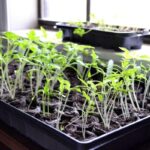
- Size and Growth Stage: Younger plants or seedlings may need more frequent watering than mature plants.
- Environmental Factors: Light levels, temperature, and humidity can all affect how quickly soil dries out.
Signs of Overwatering
While it’s crucial to keep your plants hydrated, overwatering can lead to a host of problems, including root rot and fungal diseases. Identifying the common symptoms of overwatering can help you correct your watering habits before it’s too late.
Some signs to watch for include:
- Yellowing Leaves: This often indicates that the roots are suffocating due to excess water.
- Wilting: Paradoxically, overwatered plants may also appear wilted, as roots cannot absorb nutrients properly.
- Foul Smell: A musty odour from the soil can indicate root rot.
- Mold Growth: White or fuzzy mould on the soil surface is a clear sign of overwatering.
Effective Watering Techniques
Proper hydration techniques are critical for maintaining the health of your plants. Here are some methods to ensure your plants receive the right amount of water:
- Bottom Watering: Place your plant pot in a tray of water and let it absorb moisture through the drainage holes. This method encourages deep root growth.
- Deep Watering: Water thoroughly until you see it draining from the bottom of the pot. This ensures that all roots receive moisture.
- Watering Can with a Long Spout: This allows for precise watering without oversaturating the soil.
Choosing the Right Soil
The type of soil you use greatly influences how well your plants retain moisture and drain excess water. Understanding the importance of drainage and moisture retention can help you select the suitable soil for your plant types.
Consider these factors:
- Drainage: Use a potting mix with good drainage properties for plants prone to overwatering, such as succulents.
- Moisture Retention: For moisture-loving plants, a soil blend that retains moisture yet drains well is ideal, such as a mix of peat and perlite.
- pH Levels: Ensure the soil pH is appropriate for your plant species, as this can affect nutrient availability.
Using Tools for Watering
Utilising the right tools can make the process of watering your plants more efficient and effective. Here are some recommended watering devices and gadgets that can help:
- Moisture Meters: These handy devices measure the moisture level in the soil, helping you decide when to water.
- Self-Watering Pots: Ideal for busy gardeners, these pots have a reservoir that supplies water to the plant as needed.
- Drip Irrigation Systems: These systems deliver water directly to the plant’s roots, reducing water wastage and ensuring even moisture distribution.
Creating a Watering Schedule
Establishing a consistent watering schedule is vital for the health of your plants. Here are some tips to help you create an effective routine:
- Set Reminders: Use a calendar app or a plant care app to remind you when to water.
- Observe Your Plants: Pay attention to their response to your watering schedule and adjust accordingly.
- Check Soil Moisture: Regularly check the top inch of soil to gauge moisture levels before watering.
Adjusting Watering in Different Seasons
Your plants’ water needs will change with the seasons. Understanding these seasonal considerations will help you maintain optimal plant health throughout the year:
- Spring and Summer: During the growing season, plants typically require more water as they actively develop new leaves and flowers.
- Autumn: As temperatures drop, reduce watering frequency as many plants enter dormancy.
- Winter: Most indoor plants need even less water during winter, as lower light levels and cooler temperatures slow down their growth.
In conclusion, understanding your plants’ water needs and adopting proper watering techniques can significantly enhance their health and longevity. For more information and ideas on plant care, don’t forget to check out our product section on our website, where you can find resources that complement your gardening journey.