
In this article, we will explore essential tips and techniques for maintaining your gardening tools to ensure their longevity and optimal performance. From proper cleaning methods to effective storage solutions, we will provide practical suggestions that can help you keep your tools in good shape. Whether you are a seasoned gardener or a novice, these ideas will enhance your gardening experience and protect your investment.
Essential Tool Maintenance Tips
Maintaining your gardening tools is crucial for ensuring their longevity and efficiency. Whether you’re a casual gardener or a seasoned horticulturist, taking proper care of your tools can make a significant difference in your gardening experience. Here are some essential maintenance tips to consider:
- Regular Inspections: Frequently check your tools for signs of wear and damage. Look for cracks, rust, or loose handles, and address these issues promptly.
- Cleaning After Use: Always clean your tools after each use to prevent dirt and grime from hardening on the surfaces.
- Lubrication: Apply lubricant to moving parts to prevent wear and improve functionality.
By incorporating these simple habits into your gardening routine, you can significantly extend the lifespan of your tools.
Cleaning Your Tools Effectively
Keeping your tools clean is vital for their performance and longevity. Here are some effective cleaning methods to consider:
- Soapy Water: For general cleaning, use warm soapy water and a scrub brush to remove dirt and debris. Rinse thoroughly and dry completely to prevent rust.
- Vinegar Solution: For tools with stubborn residue, a solution of equal parts vinegar and water can dissolve grime effectively. Soak the tools for a few hours and then scrub with a brush.
- Sandpaper or Steel Wool: For removing rust, gently use sandpaper or steel wool on affected areas. Be careful not to scratch the metal too heavily.
Always ensure that your tools are completely dry before storing them to avoid moisture-related damage.
Proper Storage Solutions
How you store your gardening tools can have a significant impact on their condition. Here are some storage solutions to keep your tools organised and protected:
- Tool Rack: Install a wall-mounted tool rack in your shed or garage. This keeps tools off the ground, preventing accidental damage and rust.
- Magnetic Strips: Use magnetic strips to hold metal tools securely. This not only saves space but also keeps your tools visible and easily accessible.
- Toolboxes or Bins: For smaller tools, consider using a toolbox or storage bin. Make sure it’s waterproof to protect against moisture.
Investing time in proper storage will help prevent damage and keep your tools in top condition.
Sharpening Techniques for Longevity
A sharp tool is a more effective tool. Regularly sharpening your gardening tools can enhance their performance and reduce the amount of effort required to use them. Here are some techniques for sharpening various tools:
- Pruning Shears: Use a sharpening stone or file to sharpen the blade at a 20-degree angle. Ensure you clean the blade after sharpening.
- Spades and Shovels: For larger tools, use a metal file or bench grinder. Maintain the original angle of the blade while sharpening.
- Hoes: Sharpen the edge of the hoe in one direction, using a file to maintain a sharp edge that slices through soil effortlessly.
Regular sharpening not only makes your gardening easier but also prolongs the life of your tools.
Rust Prevention Strategies
Rust can be a gardener’s worst enemy, leading to reduced tool effectiveness and eventual breakdown. Here are some strategies to prevent rust from forming on your tools:
- Keep Tools Dry: After cleaning your tools, make sure they are thoroughly dried before storing them.
- Use Oil: Apply a thin layer of vegetable oil or motor oil to metal surfaces to create a protective coating against moisture.
- Store in a Dry Place: Choose a storage area that is well-ventilated and dry. Avoid damp sheds or garages, which can promote rust.
By following these preventive measures, you can significantly reduce the chances of rust developing on your tools.
Seasonal Tool Checklists
Seasonal maintenance is key to keeping your gardening tools in peak condition throughout the year. Here’s a simple checklist to follow for each season:
Spring:
- Inspect all tools for damage and rust.
- Sharpen blades and edges for the growing season.
- Clean and oil tools before first use.
Summer:
- Check for loose screws or bolts and tighten as necessary.
- Clean tools after each use to prevent dirt accumulation.
- Inspect wooden handles for splinters or wear.
Autumn:
- Perform a thorough cleaning of all tools post-harvest.
- Sharpen blades for winter storage.
- Apply protective oil to metal surfaces.
Winter:
- Store tools in a dry place, ideally indoors.
- Check for rust or damage and address any issues.
- Take inventory of your tools and plan for replacements if necessary.
By following these seasonal checklists, you can ensure that your tools are always ready for action when you need them.
In conclusion, maintaining your gardening tools is not just about cleaning them; it’s about implementing a comprehensive care routine that includes proper storage, sharpening, and rust prevention. For more information and ideas on gardening tools and accessories, be sure to browse our product section on our website. Happy gardening!
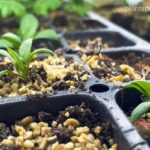 Why your seeds aren’t germinating
 Tips for keeping soil moist without overwatering
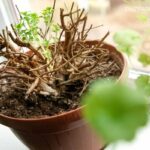 How to tell if your plant is dormant