In this article, we will explore effective techniques for pruning plants in a way that promotes healthy growth while minimising stress and damage. Proper pruning is essential for maintaining the vitality of your plants, whether they are indoor varieties or those in your garden. We will provide practical ideas and suggestions to help you understand the best practices for each type of plant, ensuring that you can confidently nurture your greenery without causing harm.
Preparing for Pruning
Before you dive into the world of pruning, it’s essential to prepare adequately to ensure both you and your plants benefit from the process.
Gather essential tools
Having the right tools is crucial for effective pruning. Here’s a list of essential tools you should have on hand:
- Pruning Shears: Use sharp, clean shears for small branches and stems.
- Loppers: Ideal for cutting thicker branches, loppers provide extra leverage.
- Saws: A pruning saw can handle larger branches that are too thick for shears.
- Gloves: Protect your hands from thorns and sharp edges.
- Disinfectant: To clean your tools between cuts, preventing the spread of diseases.
Understand plant needs
Different plants have varying requirements when it comes to pruning. Research the specific needs of the plants you are working with. Some plants bloom on old wood, while others bloom on new growth. Understanding these differences will help you make informed decisions during the pruning process.
Identifying the Right Time
Timing is everything when it comes to pruning. Pruning at the wrong time can harm your plant and hinder its growth.
Recognise growth cycles
Each plant has a unique growth cycle. Generally, the best time to prune is during the dormant season, which is typically late winter or early spring. This allows the plant to heal and encourage new growth as the spring season approaches.
Seasonal considerations
Pay attention to the seasons. For instance, flowering shrubs should be pruned immediately after they bloom to ensure they have time to develop new buds for the next season. Conversely, evergreens can be pruned any time of the year, although late spring is preferred.
Pruning Techniques
Employing the correct techniques is vital to ensure a successful pruning session.
Use proper cutting methods
Always make clean cuts at a 45-degree angle to promote healing and prevent water accumulation, which can lead to rot. When cutting back branches, make sure to cut just above a leaf node or bud to encourage new growth in the desired direction.
Focus on damaged areas
Inspect your plant for any dead, diseased, or damaged branches. These areas should be your primary focus during pruning. Removing such branches not only improves the overall appearance of the plant but also allows for better air circulation and reduces the risk of disease.
Post-Pruning Care
After you have completed the pruning process, your plants will need some extra attention to recover and thrive.
Watering and fertilizing
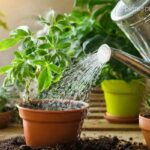
Water your plants thoroughly after pruning to help them recover from the stress of trimming. Additionally, consider applying a balanced fertilizer to provide essential nutrients that support new growth. Just ensure you follow the recommended guidelines for the specific plants you are pruning.
Monitoring plant health
Keep an eye on your plants in the weeks following pruning. Look out for signs of distress, such as wilting, yellowing leaves, or stunted growth. Address any issues promptly to prevent long-term damage.
Avoiding Common Mistakes
Even experienced gardeners can make mistakes when pruning. Being aware of common pitfalls can help you avoid them.
Over-pruning awareness
One of the most frequent errors is over-pruning, which can lead to stress and hinder growth. A good rule of thumb is to remove no more than one-third of the plant at any given time. This allows the plant to recover and encourages healthy growth.
Timing errors to avoid
Pruning at the wrong time can significantly affect a plant’s health. Avoid pruning in late summer or early autumn, as this can stimulate new growth that won’t have time to harden before winter. Always check the specific timing for the plants you are working with.
When to Seek Professional Help
Sometimes, despite your best efforts, you may find yourself in need of expert assistance.
Signs of distress
If your plants show signs of distress that you cannot rectify—such as persistent wilting, leaf drop, or fungal issues—it may be time to consult a professional. They can assess the situation and offer tailored advice for your specific plants.
Complex pruning needs
Certain plants have intricate pruning requirements that can be overwhelming. If you’re dealing with large trees or complex shrubs, hiring a professional arborist can ensure that your plants are pruned safely and effectively.
In conclusion, pruning is an essential aspect of plant care that can significantly enhance the health and appearance of your garden. By understanding the preparation required, identifying the right timing, employing proper techniques, and knowing when to seek help, you can ensure your plants thrive. For more information and ideas on plant care, feel free to explore our product section on our website, where you can find tools and resources to assist you further in your gardening journey.