In this article, we will explore various methods to test soil pH at home without the need for specialised tools. Understanding the pH level of your soil is crucial for optimising plant growth and health, and we will provide practical ideas and suggestions on how to accurately assess your soil’s acidity or alkalinity using simple household items. Whether you’re a gardening enthusiast or simply looking to improve your outdoor space, these techniques will empower you to take charge of your soil’s health.
Understanding Soil pH
Soil pH is a critical factor influencing plant health and growth. It measures the acidity or alkalinity of the soil on a scale of 0 to 14, where 7 is considered neutral. Values below 7 indicate acidic soil, while values above 7 denote alkaline soil. Understanding soil pH is essential because it affects the availability of nutrients to plants, microbial activity, and overall soil health.
The pH level of your soil can greatly affect what plants will thrive in your garden. For instance, most vegetables prefer a slightly acidic to neutral pH (between 6.0 and 7.0), while some plants, like blueberries, thrive in more acidic conditions. Knowing your soil’s pH can help you make informed decisions about what to plant and how to amend your soil for optimal growth.
Why Soil pH Matters
Soil pH directly impacts several aspects of gardening and agriculture:
- Nutrient Availability: Different nutrients become available or unavailable at varying pH levels. For example, iron becomes less available in alkaline soils, leading to deficiencies in plants.
- Microbial Activity: Soil pH affects the organisms that break down organic matter. A balanced pH promotes the activity of beneficial microorganisms.
- Soil Structure: The pH level can influence soil structure, which in turn affects water retention and aeration.
- Plant Health: Plants grown in the correct pH range are generally more vigorous and better able to resist pests and diseases.
By maintaining an optimal soil pH, gardeners can create a thriving environment for their plants, leading to improved yields and healthier growth.
Visual Signs of Soil pH
While testing soil pH is the most accurate way to determine its level, there are visual signs that can indicate potential pH issues:
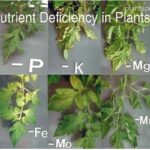
- Yellowing Leaves: If your plants exhibit yellow leaves, especially on older leaves, it could indicate nutrient deficiencies often associated with incorrect pH.
- Poor Growth: Stunted or slow growth can signal that soil pH is not conducive to nutrient uptake.
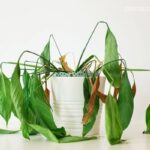
- Wilting: Plants wilting despite adequate watering might be struggling due to pH-related nutrient lockout.
- Unusual Soil Colour: Soil that is overly bright or greyish can indicate high alkalinity, while dark soils may suggest high organic matter content in an acidic environment.
Observing these signs in your garden can prompt further investigation into your soil’s pH level.
Simple Home Testing Methods
Testing soil pH at home doesn’t require sophisticated equipment. Here are a few simple methods you can try:
- Vinegar and Baking Soda Test: Take a sample of your soil and divide it into two containers. Add vinegar to one sample; if it fizzes, your soil is alkaline (pH above 7). Next, add baking soda to the other sample; if it fizzes, your soil is acidic (pH below 7). No reaction in either case suggests a neutral pH.
- Cabbage Juice Test: Boil red cabbage in water to extract the dye. Once cooled, mix soil with the juice. A pinkish hue indicates acidic soil, while a greenish-blue colour suggests alkaline soil.
- pH Test Strips: If you want a more precise reading, consider using pH test strips available at gardening stores. These strips change colour based on the pH level and can provide a clearer indication of your soil’s acidity or alkalinity.
These methods are quick and easy ways to gauge your soil’s pH, but remember they may not provide precise measurements.
Interpreting Your Results
Once you have your soil pH readings, it’s essential to interpret them correctly:
- Acidic Soil (pH 0-6.9): Common in regions with high rainfall. If your soil is too acidic, consider adding lime to raise the pH.
- Neutral Soil (pH 7): Ideal for most plants. If your soil tests neutral, you’re in good shape!
- Alkaline Soil (pH 7.1-14): Often found in arid climates. If your soil is too alkaline, adding organic matter or sulphur can help lower the pH.
Understanding these ranges can guide you in making necessary adjustments to enhance your soil’s health.
Adjusting Soil pH Naturally
If you find that your soil pH is not ideal for your plants, there are several natural ways to adjust it:
- To Lower pH: Incorporate organic matter such as compost, peat moss, or pine needles. Additionally, elemental sulphur can effectively decrease soil pH over time.
- To Raise pH: Add lime (calcium carbonate), wood ash, or crushed oyster shells to increase alkalinity.
These natural amendments not only adjust the pH but also improve soil structure and fertility, making them beneficial for your garden overall.
Maintaining Optimal Soil pH
Once you’ve adjusted your soil pH, maintaining it is crucial for ongoing plant health. Here are some tips:
- Regular Testing: Test your soil pH annually or biannually to monitor changes.
- Add Organic Matter: Regularly incorporate compost or well-rotted manure to help buffer pH fluctuations.
- Mulching: Use organic mulch to help regulate soil temperature and moisture, which can affect pH.
By keeping an eye on these factors, you can ensure your garden remains a vibrant and productive space.
For more information on soil health and gardening tips, feel free to browse our product section on our website, where you’ll find resources to assist you in your gardening journey.