
In this article, we will explore some of the most effective natural methods for pest prevention, offering a range of ideas and suggestions to help you keep unwanted visitors at bay without relying on harsh chemicals. From utilising companion planting in your garden to employing essential oils as repellent agents, we will delve into sustainable practices that not only protect your home and plants but also promote a healthier environment. Whether you’re an experienced gardener or a novice looking to enhance your pest management strategies, this guide will provide valuable insights to support your efforts.
Understanding Pest Behaviour
Understanding the behaviour of pests is essential for effective pest management. Different pests have varying habits, feeding preferences, and life cycles. Here are some key points to consider:
- Habitat Preferences: Some pests prefer moist environments, while others thrive in dry conditions. Identifying the typical habitats of pests can help you anticipate their presence.
- Feeding Habits: Knowing what pests eat can guide your management strategies. For instance, aphids target young shoots and leaves, while slugs prefer tender foliage.
- Life Cycles: Familiarising yourself with the life cycles of pests can aid in timing your prevention methods. Certain pests may be more vulnerable during specific life stages.
By understanding these behaviours, gardeners can implement targeted strategies to deter pests effectively.
Natural Repellents and Deterrents
Natural repellents and deterrents can be an effective way to keep pests at bay without resorting to chemical solutions. Here are some popular options:
- Essential Oils: Oils such as peppermint, eucalyptus, and tea tree can repel various pests. Mixing these oils with water and spraying them around your garden can help deter insects.
- Garlic Spray: A homemade garlic spray is a potent natural deterrent. Blend garlic with water, strain, and spray it on plants to deter aphids and other pests.
- Neem Oil: Extracted from the seeds of the neem tree, neem oil disrupts the life cycle of many pests. It’s effective against aphids, spider mites, and whiteflies.
These natural solutions can significantly reduce pest populations while being safe for the environment.
Encouraging Beneficial Wildlife
One of the best strategies for pest control is to encourage beneficial wildlife that preys on pests. Here are ways to attract these helpful creatures:
- Planting Wildflowers: Creating a wildflower patch can attract pollinators and predatory insects like ladybugs and lacewings, which feed on aphids.
- Providing Habitats: Installing birdhouses and bat boxes can invite natural predators that will help keep pest populations under control.
- Creating Water Sources: Small water features or birdbaths can attract beneficial insects and birds, contributing to a balanced ecosystem in your garden.
Cultivating an environment that supports beneficial wildlife not only helps with pest control but also enhances the overall health of your garden.
Creating a Pest-Resistant Garden
Designing a pest-resistant garden involves selecting plants that are naturally resilient to pests. Here are some strategies to consider:
- Choose Native Plants: Native plants are adapted to your local environment and are generally more resistant to local pests.
- Diversity is Key: Planting a variety of species can confuse pests and reduce the likelihood of infestations. Monocultures are more susceptible to pest outbreaks.
- Use Disease-Resistant Varieties: Select plant varieties that are bred for disease resistance, which can help mitigate pest issues.
By creating a garden with these principles in mind, you can significantly reduce the need for pest control measures.
Maintaining Cleanliness and Hygiene
Maintaining cleanliness in your garden is crucial for pest prevention. Pests are often attracted to debris and clutter, which can provide them with shelter and breeding grounds. Here are some tips for maintaining a clean garden:
- Regularly Clear Debris: Remove fallen leaves, dead plants, and other debris that can harbour pests.
- Practice Crop Rotation: Rotating your crops each season can prevent pests from establishing a presence in your garden.
- Proper Composting: Ensure your compost is well-aerated and balanced to avoid attracting pests.
By keeping your garden tidy, you can discourage pests from taking up residence.
Using Companion Planting Techniques
Companion planting is a technique that involves growing different plants together for mutual benefits. This method can help deter pests while enhancing plant growth. Here are some effective combinations:
- Basil and Tomatoes: Basil repels tomato hornworms and enhances the growth of tomatoes.
- Marigolds and Vegetables: Marigolds are known to deter nematodes and other pests, making them excellent companions for many vegetable plants.
- Garlic and Roses: Planting garlic near roses can help repel aphids and other harmful insects.
Utilising companion planting not only strengthens your garden but also creates a natural pest management system.
Monitoring and Early Detection
Finally, monitoring your garden for early signs of pest activity is crucial for effective management. Here are some strategies for vigilant monitoring:
- Regular Inspections: Conduct weekly checks on your plants to spot any signs of pests or damage early.
- Use Traps: Sticky traps can help capture flying pests and provide insight into pest populations in your garden.
- Keep Records: Maintaining a journal of pest sightings and damage can help you identify patterns and plan your pest management strategies more effectively.
By being proactive in monitoring your garden, you can address pest issues before they become significant problems.
In conclusion, managing pests in your garden doesn’t have to involve harsh chemicals. By employing natural methods and encouraging a balanced ecosystem, you can create a thriving garden. For more resources and ideas on pest prevention, feel free to check out our product section on our website.
 Why your plant isn’t blooming and how to help
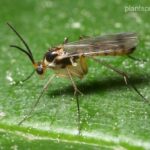 How to get rid of fungus gnats naturally
 Simple ways to revive a dying plant