
As the colder months approach, it’s essential to adapt our plant care routines to ensure our green companions thrive despite the chill. In this article, we will explore practical tips and suggestions for keeping your indoor and outdoor plants healthy during winter. From adjusting watering schedules to providing adequate light, these strategies will help you maintain vibrant foliage and robust growth through the winter season.
Understanding Winter Plant Care
Winter can be a challenging time for indoor plants. The shorter days, lower light levels, and fluctuating temperatures can all affect plant health and growth. Understanding the specific needs of your plants during these months is crucial for maintaining their vitality. By implementing proper care techniques, you can ensure that your plants not only survive the winter but thrive in the coming spring.
Choosing the Right Indoor Plants
When selecting indoor plants for the winter months, consider species that are known for their resilience in low-light and cooler conditions. Some excellent choices include:
- Snake Plant (Sansevieria): Low-light tolerant and requires minimal care.
- Pothos (Epipremnum aureum): Adaptable to various lighting conditions and forgiving if neglected.
- ZZ Plant (Zamioculcas zamiifolia): Thrives in low light and is drought-resistant.
- Spider Plant (Chlorophytum comosum): Hardy and can tolerate a range of conditions.
Choosing the right plants can make a significant difference in your indoor garden’s success during the winter months.
Optimal Lighting for Winter Growth
As daylight hours diminish in winter, providing adequate lighting for your indoor plants becomes essential. Here are some tips for optimising light exposure:
- Positioning: Place plants near south or west-facing windows to maximise natural light.
- Rotate Plants: Regularly rotate your plants to ensure even light exposure on all sides.
- Supplemental Lighting: Consider using grow lights to boost light levels, especially for light-loving plants.
By ensuring that your plants receive enough light, you can promote healthy growth and prevent issues associated with low light levels.
Watering Techniques in Cold Months
During the winter season, many plants enter a dormant stage, which often indicates they need less water. Here are some effective watering techniques:
- Check Soil Moisture: Always verify the soil moisture before watering. Insert your finger about an inch into the soil; if it feels dry, it’s time to water.
- Water Less Frequently: Decrease your watering frequency, as overwatering can result in root rot in cooler conditions.
- Use Room Temperature Water: Cold water can shock plants; opt for water that is at room temperature to prevent stress.
Proper watering is crucial to keeping your plants healthy throughout the winter months.
Maintaining Humidity Levels
Indoor heating can significantly reduce humidity levels, which can be detrimental to many houseplants. Here are some ways to maintain adequate humidity:
- Group Plants Together: This creates a microclimate with higher humidity levels.
- Use a Humidifier: Adding a humidifier to your indoor space can help maintain optimal humidity for your plants.
- Tray of Water: Place a shallow tray filled with pebbles and water beneath your plants to increase humidity through evaporation.
By ensuring that your plants have the right humidity levels, you can prevent leaf drop and other stress-related issues.
Fertilising During Dormancy
Most indoor plants experience a slow down in their growth during winter, which indicates they require less fertilisation. However, some guidelines can assist you in fertilising effectively:
- Reduce Fertiliser Use: Decrease your fertilisation efforts during the winter months, as plants are not in an active growth phase.
- Choose a Balanced Fertiliser: If you do decide to fertilise, opt for a diluted, balanced fertiliser to supply essential nutrients without overwhelming the plant.
- Start Again in Spring: With the lengthening days and rising temperatures, you can resume a regular fertilisation schedule.
Proper fertilisation will help prepare your plants for the active growth period that lies ahead.
Common Winter Plant Problems
Winter can expose your plants to several problems. Here are some common issues and how to address them:
- Leaf Drop: Often caused by low humidity or overwatering. Adjust your watering routine and increase humidity if necessary.
- Pest Infestations: Indoor plants can be susceptible to pests like spider mites. Regularly inspect your plants and treat infestations promptly.
- Slow Growth: Normal during dormancy; however, ensure that your plants are getting enough light and the right care to support their needs.
By being proactive, you can mitigate these issues and keep your plants healthy throughout the winter.
Preparing for Spring Growth
As winter comes to a close, it’s essential to start preparing your plants for the upcoming growth season:
- Assess Plant Health: Check for any signs of stress or damage and address any issues promptly.
- Clean Leaves: Dust can accumulate on leaves during winter, so gently wipe them with a damp cloth to improve light absorption.
- Plan for Repotting: As plants grow, they may need larger pots. Consider repotting them as spring approaches.
With proper preparation, your indoor plants will be ready to thrive as the seasons change.
For more tips and insights on plant care, be sure to check out our product section on our website, where we provide a range of resources to help you maintain a vibrant indoor garden.
 Why your ferns keep drying out
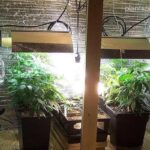 How to create a simple indoor grow setup
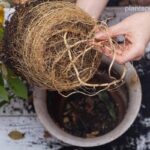 How to tell if a plant is root-bound