
This article will equip readers with essential tips and techniques for successfully transplanting seedlings, ensuring that they thrive in their new environment. We will cover the best practices for preparation, timing, and care during the transplantation process. Additionally, the content will include creative ideas and suggestions to help you achieve the best results in your gardening endeavors.
Choosing the Right Time
Transplanting seedlings at the correct time is crucial for their success. The best period for transplanting generally depends on the type of plant and the local climate. It’s important to consider the following factors:
- Season: Most seedlings should be transplanted in spring after the last frost date for your area. Some hardy varieties can be transplanted in late summer or early autumn.
- Weather Conditions: Ideally, choose a day that is overcast or slightly cool to reduce transplant shock. Avoid transplanting during extreme heat or cold.
- Seedling Size: Wait until seedlings are sturdy enough, typically when they have at least two sets of true leaves.
Timing your transplanting correctly can make a significant difference in how well your seedlings adapt to their new environment.
Preparing the Soil
The foundation for healthy plants begins with well-prepared soil. Here’s how to ensure your soil is ready for transplanting:
- Choose the Right Location: Select a spot that receives adequate sunlight and has good drainage.
- Test Soil Quality: Use a soil test kit to check pH and nutrient levels. Most plants thrive in slightly acidic to neutral soil (pH 6.0 to 7.0).
- Amend the Soil: Depending on the test results, you might need to amend the soil with organic compost, peat moss, or other nutrients to improve fertility and structure.
- Till the Soil: Loosen the soil to a depth of at least 12 inches to facilitate root expansion.
Properly prepared soil not only supports healthy root development but also helps in retaining moisture.
Handling Seedlings with Care
Seedlings are delicate and require gentle handling to avoid damage. Here are some tips for careful handling:
- Use Clean Tools: Always use clean tools when transplanting to prevent the spread of disease.
- Minimise Root Disturbance: When removing seedlings from their containers, gently squeeze or tap the sides of the pot to loosen the soil. Avoid pulling on the stems.
- Transplant Quickly: Once removed from their containers, transplant seedlings promptly to minimise shock.
- Handle by the Leaves: If you need to hold the seedlings, grasp them by the leaves rather than the stems to avoid injury.
By treating seedlings with care, you increase their chances of survival in their new home.
Watering Techniques
Proper watering is essential after transplanting, as seedlings need moisture to establish roots. Here are some effective watering techniques:
- Water Before Transplanting: Ensure the seedlings are well-watered a few hours before transplanting to reduce shock.
- Watering Immediately After: After planting, water the seedlings thoroughly to remove air pockets and help settle the soil around the roots.
- Use a Gentle Spray: When watering, use a gentle spray or a watering can with a fine rose to avoid washing away the soil.
- Check Moisture Levels: Monitor the soil moisture regularly. It should be moist but not soggy. Overwatering can lead to root rot.
Implementing these watering techniques will help your seedlings thrive in their new environment.
Providing Adequate Light
Light is a vital component for the growth of seedlings. Here’s how to ensure they receive the right amount:
- Assess Natural Light: Most seedlings require at least 6 to 8 hours of sunlight per day. If your garden area doesn’t provide enough natural light, consider using grow lights.
- Positioning: When transplanting, place seedlings in a location that maximises their exposure to sunlight while avoiding direct, harsh afternoon sun, which can scorch young plants.
- Rotate Plants: If you’re using indoor lighting, consider rotating your seedlings every few days to ensure even growth.
By providing adequate light, you will encourage strong, healthy growth in your seedlings.
Monitoring Plant Health
After transplanting, ongoing care is crucial. Regularly monitor the health of your seedlings by checking for:
- Signs of Stress: Look for wilting, yellowing leaves, or stunted growth, which can indicate water stress or nutrient deficiencies.
- Pest Infestations: Inspect your seedlings for pests such as aphids or spider mites. Early detection can prevent damage.
- Diseases: Be vigilant for signs of fungal diseases, such as powdery mildew. Prompt treatment can save your plants.
Consistent monitoring allows you to address issues before they escalate, ensuring the health of your seedlings.
Common Transplanting Mistakes
Even experienced gardeners can make mistakes during the transplanting process. Avoid these common pitfalls:
- Transplanting Too Early or Late: Timing is everything; too early or too late can stress seedlings.
- Ignoring Soil Quality: Skipping soil preparation can lead to poor plant health.
- Overcrowding: Planting seedlings too close together can hinder their growth and increase competition for nutrients.
- Neglecting to Harden Off: Sudden exposure to the outdoors can shock seedlings. Gradually acclimating them to outdoor conditions is crucial.
By being aware of these mistakes, you can increase your chances of successfully transplanting seedlings.
In conclusion, by understanding the key factors surrounding transplanting seedlings, you can cultivate a thriving garden. For more informative articles and ideas, don’t forget to check out our product section on our website, where we offer resources to help you on your gardening journey!
 How to start composting without smells
 How to create a simple watering schedule
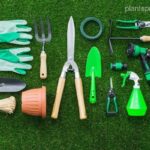 How to keep your gardening tools in good shape