
In this article, we will dive into the process of creating a simple watering schedule that can assist you in maintaining a healthy and vibrant garden. Whether you are a seasoned gardener or a novice eager to nurture your plants, having a consistent watering routine is crucial for their growth. We will offer practical ideas and suggestions to customize your watering schedule according to different types of plants and weather conditions, ensuring that your garden flourishes all year round.
Understanding Watering Needs
Watering is a crucial aspect of plant care, and understanding the specific needs of your plants is the first step in creating an effective watering schedule. Different plants have varying requirements based on factors such as their species, size, and the environment in which they are growing.
- Species: Some plants, like succulents, require less water compared to others, such as ferns, which thrive in more humid conditions.
- Size: Larger plants typically need more water than smaller ones due to their increased biomass.
- Environment: Indoor plants may have different needs compared to outdoor ones due to factors like sunlight exposure and wind.
By understanding these factors, you can tailor your watering schedule to meet the specific needs of your plants, ensuring they remain healthy and vibrant.
Choosing the Right Time
The timing of your watering can significantly impact plant health. Watering at the right time ensures that plants absorb moisture effectively and reduces the risk of diseases.
- Morning: Early morning is often considered the best time to water. Temperatures are cooler, allowing water to soak into the soil before the heat of the day causes evaporation.
- Evening: If morning watering is not possible, late afternoon or early evening can work as well. However, avoid watering too close to nightfall as this may lead to fungal growth.
Avoid watering during the hottest part of the day, as this can lead to rapid evaporation and inefficient water usage.
Creating a Weekly Schedule
Establishing a weekly watering schedule can simplify the care of your plants. A consistent routine helps ensure that plants receive adequate moisture throughout the week.
- Assess Soil Moisture: Check the moisture level of the soil before each watering. If the top inch of soil is dry, it’s time to water.
- Frequency: Most plants benefit from being watered once a week, but some may require more frequent watering, especially during the growing season.
- Consistency: Try to water at the same time each week to create a reliable routine for both you and your plants.
By creating and sticking to a weekly watering schedule, you can develop a rhythm that makes plant care more manageable.
Adjusting for Weather Conditions
Weather plays a significant role in the watering needs of plants. It’s essential to adjust your schedule according to changes in temperature, humidity, and rainfall.
- Hot and Dry Days: During heatwaves or droughts, increase the frequency of watering to prevent plants from drying out.
- Rainy Periods: If there’s significant rainfall, reduce or skip watering sessions, as overwatering can lead to root rot.
- Seasonal Changes: Be mindful of seasonal variations. Plants may need more water in the spring and summer compared to autumn and winter.
By staying attuned to the weather, you can ensure that your plants receive the optimal amount of water, regardless of external conditions.
Tools for Effective Watering
Utilising the right tools can enhance your watering efforts and make the process more efficient. Consider incorporating the following tools into your plant care routine:
- Watering Can: A standard watering can is ideal for indoor plants, allowing you to target specific areas without overwatering.
- Hose with a Spray Nozzle: For outdoor gardens, a hose with an adjustable spray nozzle can help you cover larger areas quickly and efficiently.
- Soil Moisture Meter: This handy tool measures the moisture level in the soil, helping you determine when it’s time to water.
These tools can save time and ensure that your watering practices are effective, leading to healthier plants.
Monitoring Plant Health
Regularly monitoring the health of your plants is crucial in determining if your watering schedule is effective. Look out for the following signs:
- Wilting Leaves: This can be a sign of either under-watering or over-watering, so assess the soil moisture.
- Yellowing Leaves: Yellow leaves may indicate overwatering, while browning tips often point to underwatering.
- Root Health: Occasionally check the roots for signs of rot or health; healthy roots should be firm and white.
By keeping an eye on your plants, you can make adjustments to your watering schedule as needed, ensuring that they thrive.
Troubleshooting Common Issues
Even with a well-planned watering schedule, issues may arise. Here are some common problems and solutions:
- Overwatering: If you notice yellowing leaves or a foul smell from the soil, reduce watering frequency and ensure proper drainage.
- Underwatering: If the soil feels dry and plants are wilting, increase watering frequency and consider using mulch to retain moisture.
- Fungal Growth: If you see mould or mildew, reduce humidity around the plants and ensure proper air circulation.
By addressing these issues promptly, you can maintain a healthy environment for your plants.
For more insights and resources on plant care, feel free to browse our product section on our website. Happy gardening!
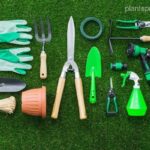 How to keep your gardening tools in good shape
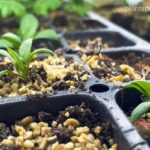 Why your seeds aren’t germinating
 Tips for keeping soil moist without overwatering