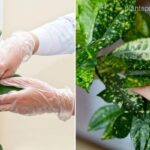
This article will delve into the diverse reasons for the curling of leaves in plants, a phenomenon that can signify a variety of underlying problems. We will explore common causes like environmental stress, pest infestations, and nutrient deficiencies. Furthermore, the article will offer practical tips and strategies for recognizing these issues and applying effective solutions to maintain the health and vitality of your plants.
Understanding Leaf Curl
Leaf curl is a prevalent challenge faced by numerous gardeners and plant enthusiasts, appearing as the distortion or warping of leaves. This issue can impact a diverse array of plants, from houseplants to fruit trees, and often signifies underlying problems that may compromise plant health. Grasping the causes and implications of leaf curl is crucial for effective management and prevention.
Common Causes of Curling Leaves
Leaf curl can arise from various factors, each requiring different approaches for resolution. Below are some of the most prevalent causes:
- Watering Issues: Both overwatering and underwatering can lead to leaf curl. Overwatered plants may develop root rot, impairing nutrient uptake, while underwatered plants may not receive enough hydration to maintain leaf structure.
- Temperature Stress: Extreme temperatures, whether too hot or too cold, can cause leaves to curl as a protective response. This stress can disrupt normal physiological processes.
- Improper Light Exposure: Insufficient or excessive light can cause leaves to curl. Plants require specific light conditions to thrive, and deviations can lead to stress responses.
Environmental Factors at Play
Environmental conditions play a significant role in leaf health. Understanding these factors can help you create a more conducive environment for your plants:
- Humidity Levels: Many plants thrive in high humidity. Low humidity can result in leaf curl as the plant struggles to retain moisture.
- Wind Exposure: Strong winds can physically damage leaves, causing them to curl. Additionally, wind can dehydrate plants, exacerbating stress.
- Soil Quality: Poor soil composition, including lack of organic matter and poor drainage, can affect root health and subsequently lead to leaf curl.
Pest Infestations and Leaf Curl
Insects and pests are notorious for causing various plant ailments, including leaf curl. Recognising signs of infestation early can help mitigate damage:
- Aphids: These small insects feed on plant sap, leading to distorted growth and curled leaves. They can also transmit viruses between plants.
- Spider Mites: Often found on the undersides of leaves, these pests can cause significant damage, resulting in leaf curling and stippling.
- Whiteflies: Similar to aphids, whiteflies suck sap from plants, leading to weakened growth and potential leaf curl.
Identifying Nutrient Deficiencies
Nutrient deficiencies can manifest in various ways, one of which is leaf curl. Here are some key nutrients to consider:
- Nitrogen Deficiency: Nitrogen is vital for healthy leaf growth. A deficiency can lead to yellowing and curling of leaves.
- Potassium Deficiency: This nutrient is crucial for overall plant health. Lack of potassium may cause leaf edges to curl and turn brown.
- Calcium Deficiency: Calcium is essential for cell wall structure. A deficiency can result in distorted growth and curling leaves.
Preventive Measures and Solutions
Taking proactive steps can help prevent leaf curl and promote plant health. Here are some strategies:
- Regular Monitoring: Keep a close eye on your plants for early signs of stress, including curling leaves.
- Proper Watering Practices: Ensure consistent watering, allowing the topsoil to dry between waterings to prevent over or underwatering.
- Optimise Lighting Conditions: Adjust plant placement to ensure they receive the right amount of light for their specific needs.
- Maintain Humidity: Use humidifiers or pebble trays to maintain suitable humidity levels for tropical plants.
- Soil Health: Regularly amend your soil with organic matter to improve drainage and nutrient content.
When to Seek Professional Help
While many cases of leaf curl can be resolved with proper care, there are instances when professional intervention is necessary:
- If you identify a severe pest infestation that cannot be managed through home remedies.
- When nutrient deficiencies persist despite adjustments in fertilisation practices.
- If environmental conditions are beyond your control, such as extreme weather events.
In conclusion, leaf curl can be a symptom of various underlying issues, but with proper understanding and care, it can often be mitigated. For further insights and detailed information, don’t forget to check out our product section on our website, where we provide resources to help you maintain a healthy garden. Happy gardening!