
In this article, we will explore the common reasons why your houseplants may not be thriving and provide practical solutions to help revive them. From inadequate lighting to improper watering techniques, we will delve into various factors that can hinder plant growth. Additionally, we will offer useful ideas and suggestions to create an optimal environment for your green companions, ensuring they flourish in your home.
Common Reasons for Stunted Growth
Houseplants can sometimes be a source of frustration for even the most dedicated plant owners. Stunted growth is a common issue that can arise for a variety of reasons. Understanding these reasons is crucial for promoting healthy development in your plants. Here are some of the most frequent culprits:
- Insufficient Light: Many houseplants require specific light conditions to thrive. Insufficient light can lead to leggy growth and poor health.
- Overwatering: While plants need water to survive, too much can lead to root rot and other health problems, stunting growth.
- Underfeeding: Plants require nutrients to grow. A lack of essential nutrients can result in stunted growth and pale leaves.
- Pests and Diseases: Infestations can sap a plant’s strength, leading to decreased growth rates.
- Temperature Fluctuations: Extreme temperatures or sudden changes can stress plants and hinder their growth.
Importance of Proper Lighting
Light is one of the most critical factors in plant growth. Different plants have varying light requirements, and providing the right amount of light is essential for photosynthesis, which fuels growth. Here are some key points to consider:
- Direct vs. Indirect Light: Some plants thrive in direct sunlight, while others prefer indirect light. Understanding your plant’s needs is vital.
- Duration of Light: Most houseplants need around 12-16 hours of light per day. Consider using grow lights if natural light is limited.
- Window Placement: The location of your plant can significantly influence its light exposure. South-facing windows generally provide the best light.
Watering Techniques You Should Know
Watering is both an art and a science. Proper watering techniques can mean the difference between a flourishing plant and a wilting one. Here are some important tips:
- Check Soil Moisture: Always check the soil moisture before watering. Insert your finger into the soil; if it feels dry an inch down, it’s time to water.
- Water Thoroughly: When you water, ensure that you saturate the soil and allow excess water to drain from the bottom of the pot.
- Avoid Watering Leaves: Watering leaves can lead to fungal diseases. Focus on watering the soil directly.
- Use Room Temperature Water: Cold water can shock the plant. Allow water to reach room temperature before using it.
Soil Quality and Nutrient Needs
The quality of the soil you use can significantly impact your plant’s growth. Soil serves as not only a medium for roots but also a reservoir of nutrients. Here’s what you need to know:
- Choose the Right Soil: Different plants have different soil requirements. For instance, succulents need well-draining soil, while ferns prefer moisture-retentive mixes.
- Fertilise Regularly: Use a balanced fertiliser every few weeks during the growing season to replenish lost nutrients.
- pH Levels: Most houseplants prefer a soil pH between 6.0 and 7.0. You can purchase pH testing kits to check your soil.
Pest Control and Plant Health
Pests can be a significant barrier to healthy plant growth. Early detection and control are key to maintaining plant health. Here are some common pests and control measures:
- Aphids: Small and often green, these pests suck sap from plants. Introduce ladybugs or use insecticidal soap to control them.
- Spider Mites: These tiny pests can cause discolouration and webbing. Keep humidity levels high to deter them and wash plants with a damp cloth.
- Mealybugs: Resembling cotton balls, they can weaken plants. Remove them manually or apply neem oil for treatment.
Repotting: When and How to Do It
Repotting is essential for maintaining healthy growth, especially when plants outgrow their containers. Knowing when and how to repot can enhance your plant’s vitality:
- Signs of Repotting: Roots growing out of the drainage holes, stunted growth, or soil that dries out too quickly are indicators that it’s time to repot.
- Choosing the Right Pot: Select a pot that is 1-2 inches larger in diameter than the current pot and has drainage holes.
- Repotting Procedure: Carefully remove the plant from its pot, loosen any tightly bound roots, and place it in the new pot with fresh soil.
Creating the Ideal Environment
The environment in which your plants live can greatly influence their growth and overall health. Here are some tips to create the ideal environment:
- Temperature Control: Most houseplants thrive in temperatures between 18-24°C. Avoid placing them near drafty windows or heating vents.
- Humidity Levels: Many houseplants, especially tropical varieties, prefer higher humidity. Consider using a humidifier or placing a tray of water near your plants.
- Air Circulation: Good air circulation helps prevent diseases. Ensure your plants are not overcrowded and consider a small fan if necessary.
In conclusion, understanding the fundamental needs of your houseplants is key to fostering healthy growth. By addressing issues such as lighting, watering, soil quality, pest control, repotting, and environmental factors, you can create an optimal growing environment. For more detailed information and ideas, be sure to browse our product section on the website, where we provide further insights and helpful resources!
 Tips for keeping plants healthy during winter
 Why your ferns keep drying out
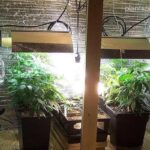 How to create a simple indoor grow setup